
Award-Winning Book Printing
What Makes an Award-Winning Book Work in Print?
Some of the best project news arrives after the work is already out in the world. This time, it came in a note from New York-based graphic designer Luis Vázquez O’Neill, who shared that three books he had worked on with KOPA in 2025 had received international recognition.
Why do some books feel resolved the moment you pick them up? It is rarely one dramatic production decision. More often, it is the relationship between the design and the physical choices behind it: the paper, the binding, the way colour behaves, the finish of the cover and even how the book opens in your hands.
These three books are very different publications, but together they make a useful case for something we see often in book printing: production works best when it is considered as part of the design from the beginning.
Different ideas need different solutions
Two books designed by Luis Vázquez O’Neill were selected as winners in AIGA’s 50 Books | 50 Covers of 2025.
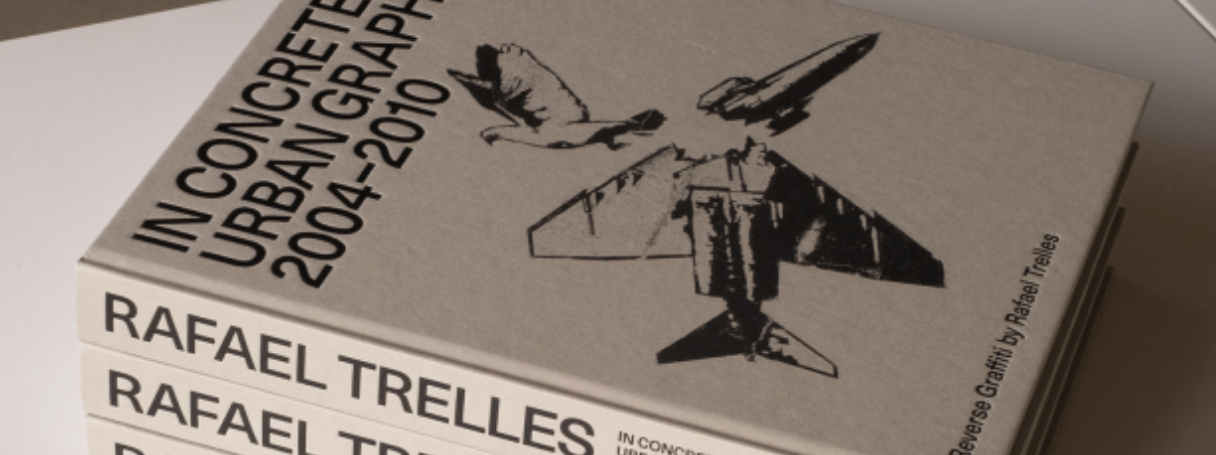
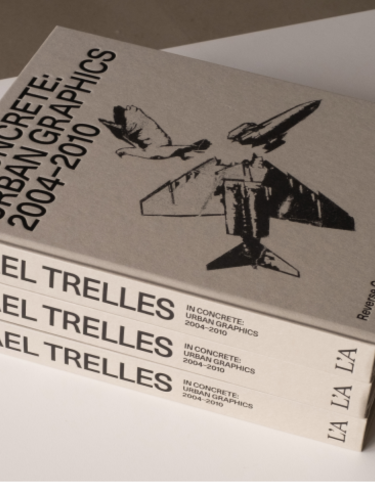
In Concrete: Urban Graphics 2004–2010, published by L’Artban, uses a sewn hardcover, Fedrigoni Materica Clay, matte black foil and an uncoated interior stock. The materials support the visual character of the book without competing with it.
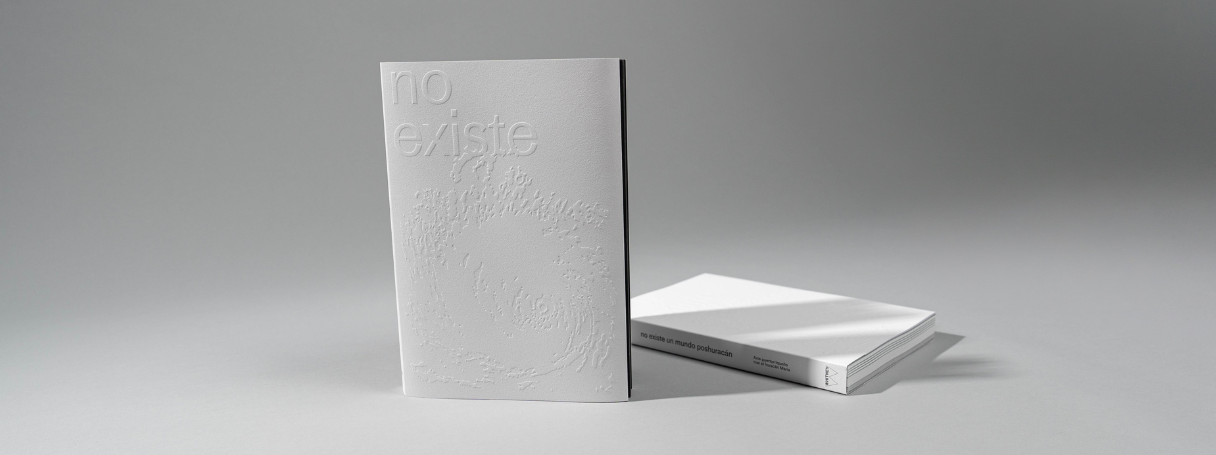
no existe un mundo poshuracán, published by the Whitney Museum of American Art, takes a different approach. Swiss binding, textured paper and blind embossing become part of how the publication is read and handled.
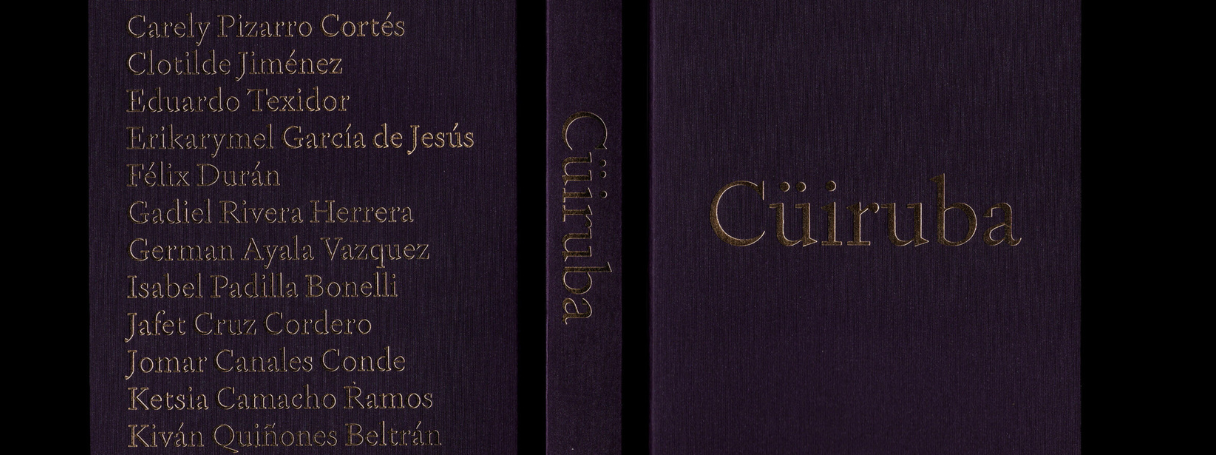
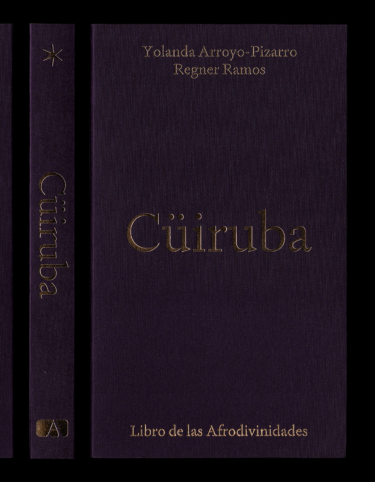
The third title, Cüiruba, Libro de las Afrodivinidades, received an ADG Laus InBook recognition in the Complete Book category.
All three books have also been shortlisted for the 2026 Latin American Design Awards, with the results to be announced on October 10.
Print decisions are design decisions
What these books have in common is not a particular binding, paper or finish. It is that the production choices make sense for the publication itself.
That sounds obvious, but it is where many projects become unnecessarily complicated. A special finish is not automatically better. An unusual binding is only useful when it adds something to the reading experience. Sometimes the most considered choice is also the quietest one.
Good book printing is therefore less about adding techniques and more about choosing the right ones.
When sharing the news, Luis also thanked the technical teams involved in producing the books. It is a small detail, but an important one. Strong editorial work rarely moves in a straight line from designer to printer. The best results usually come from a conversation between both.
And perhaps that is the more useful lesson behind these awards: a good design does not simply survive production. Production helps complete it.