
BINDING
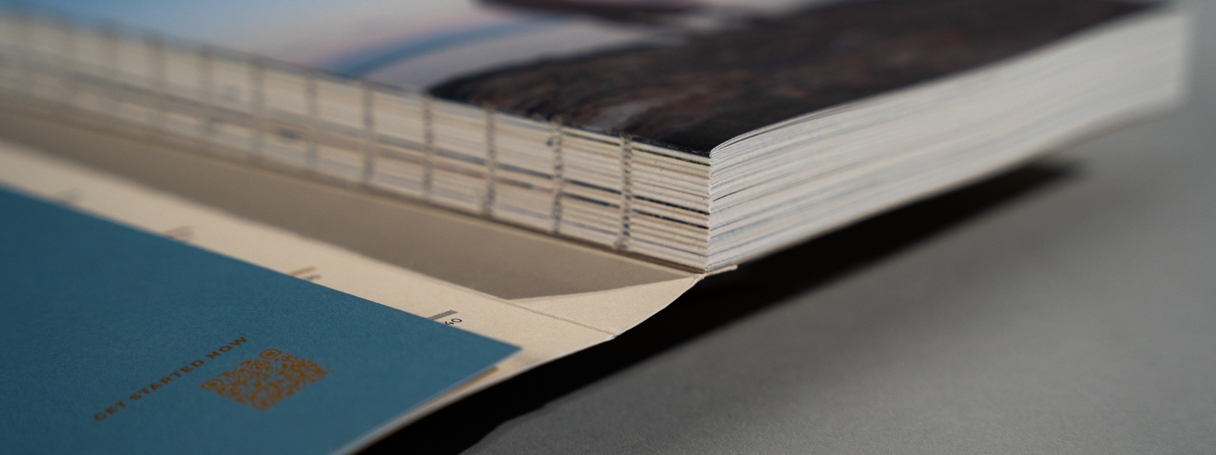
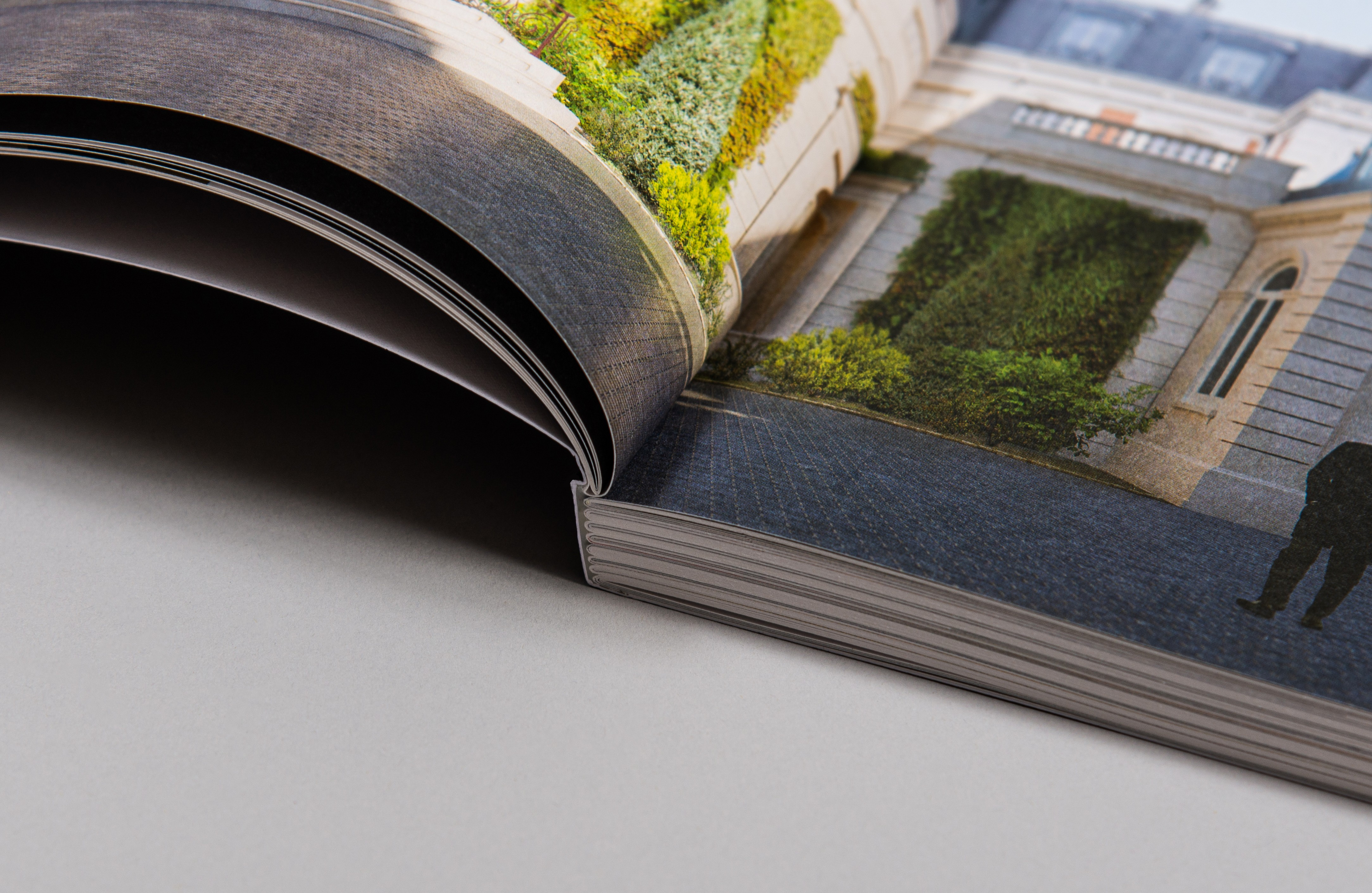
Sewn
A strong and durable binding method for thicker or premium magazines. The pages are folded into signatures, gathered into a book block, and sewn together with thread, while the spine is additionally reinforced with adhesive. This binding ensures comfortable handling, excellent lay-flat performance, and even allows the thread color to become a subtle design detail.
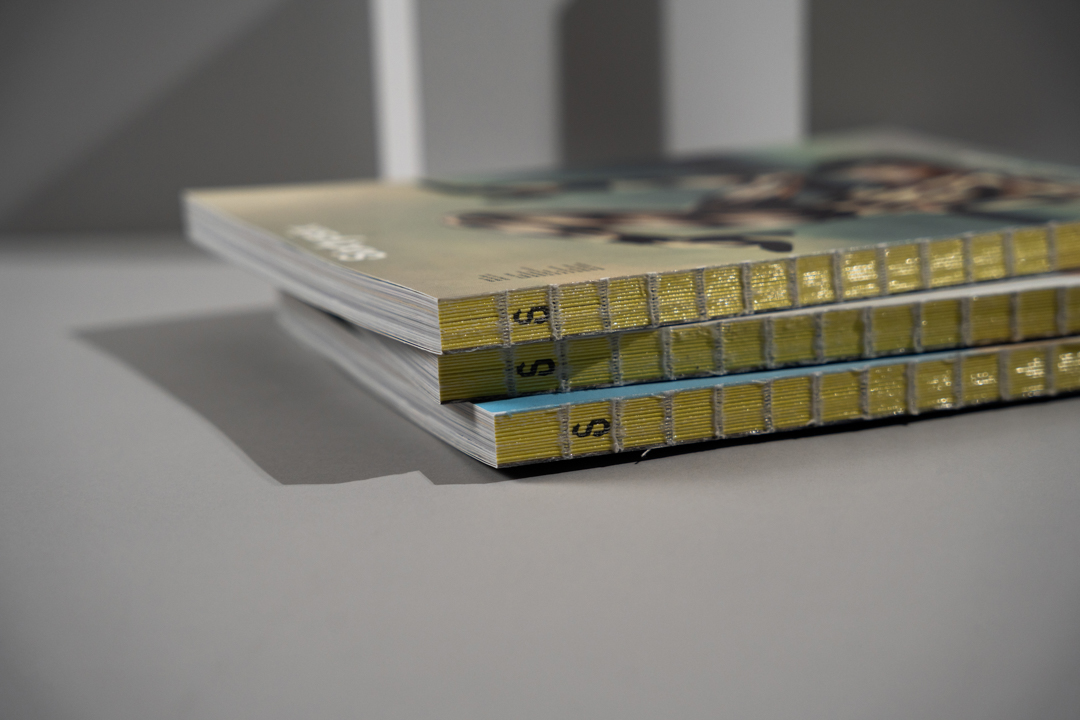
Open spine
A distinctive binding method for premium or design-focused magazines, where the sewn spine construction and threads remain visible. This solution allows the magazine to open exceptionally flat, ensuring that neither visual nor textual content is lost in the gutter and making it possible to print images seamlessly across the entire spread. The exposed threads give the publication a unique character, and their color can be matched to the overall visual style of the magazine.
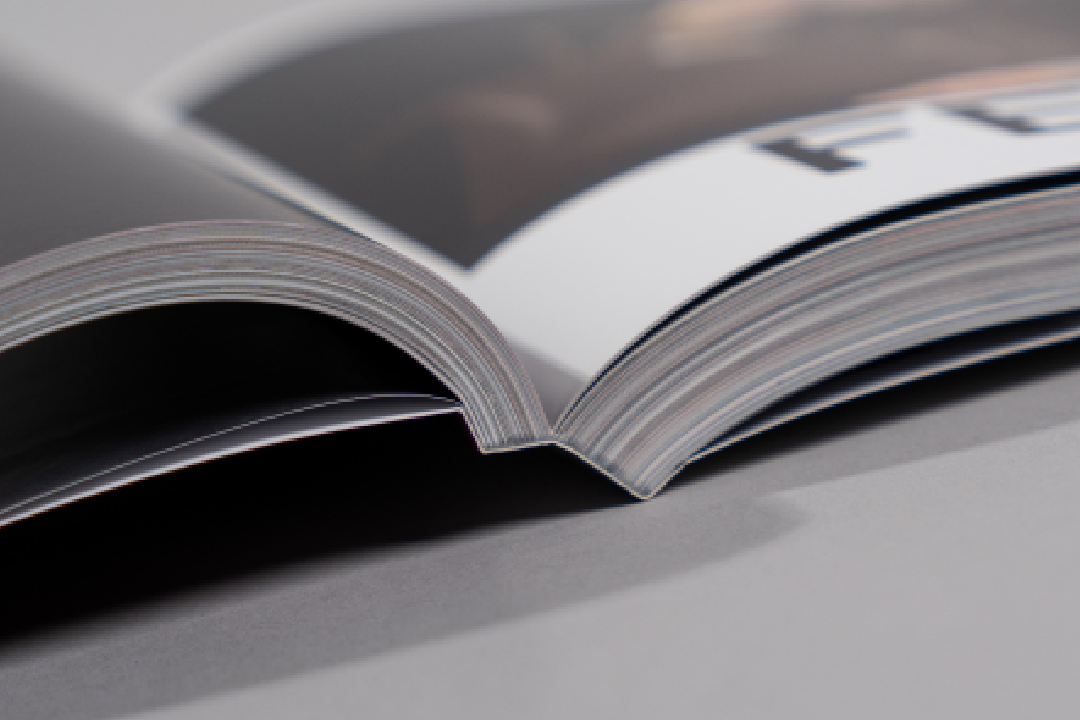
Glued
A neat and versatile binding method for thicker magazines, catalogue-style publications, or special editions. After printing, the sheets are folded and gathered into a book block, while the spine is milled to roughen the paper fibers and ensure better adhesion. The book block is then bound to a cover made from heavier paper stock.
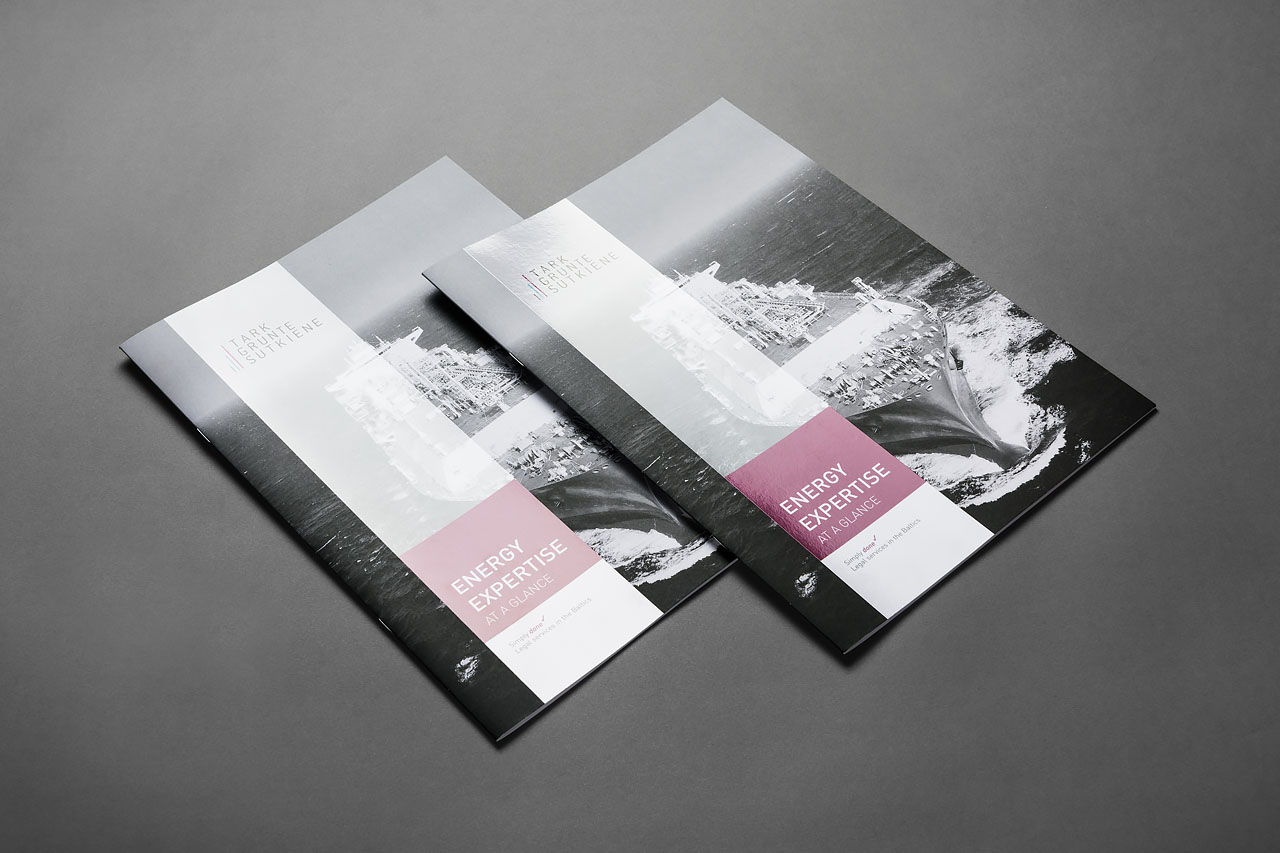
Saddle stitched
A simple, durable, and visually clean binding method for magazines with a lower page count. The printed sheets are folded in half and fastened with staples, usually two, along the fold line.
Saddle stitching allows the magazine to open comfortably while keeping the construction lightweight. It is particularly well suited to periodicals, brochures, special supplements, and promotional magazines.
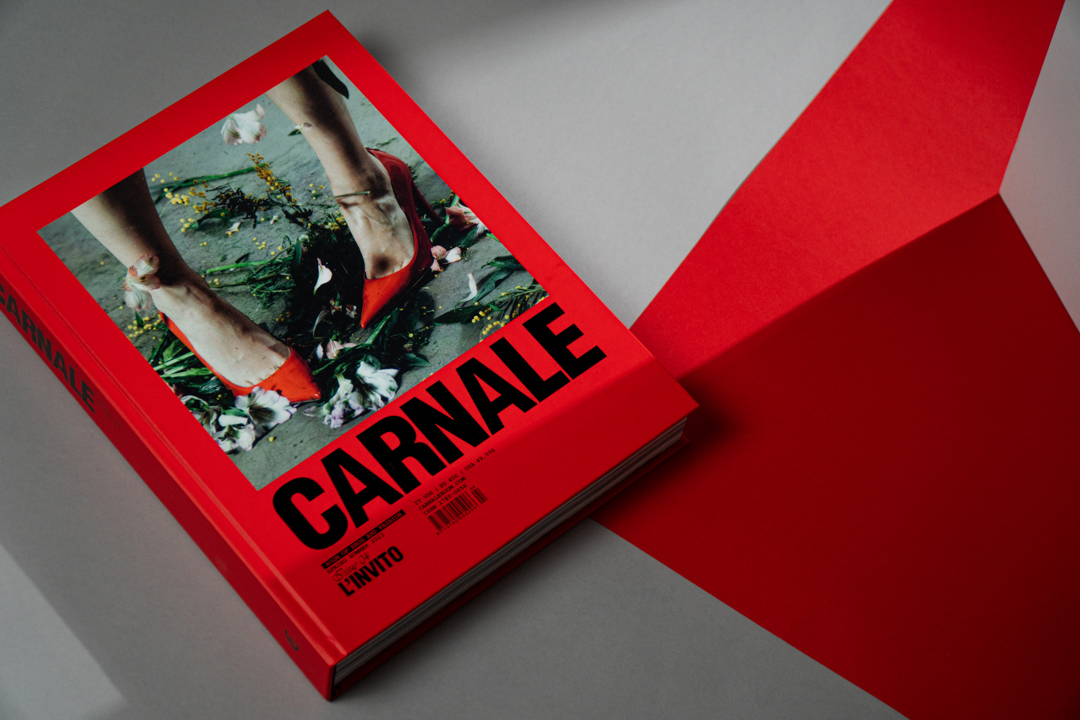
Hardcover
Hardcover binding gives a magazine a premium, durable, and collectible feel. It is an ideal choice for special editions, annual publications, limited-run magazines, or projects where the physical object is just as important as the content itself. With this type of binding, the book block is attached to a rigid cover, which can be finished with a variety of materials.
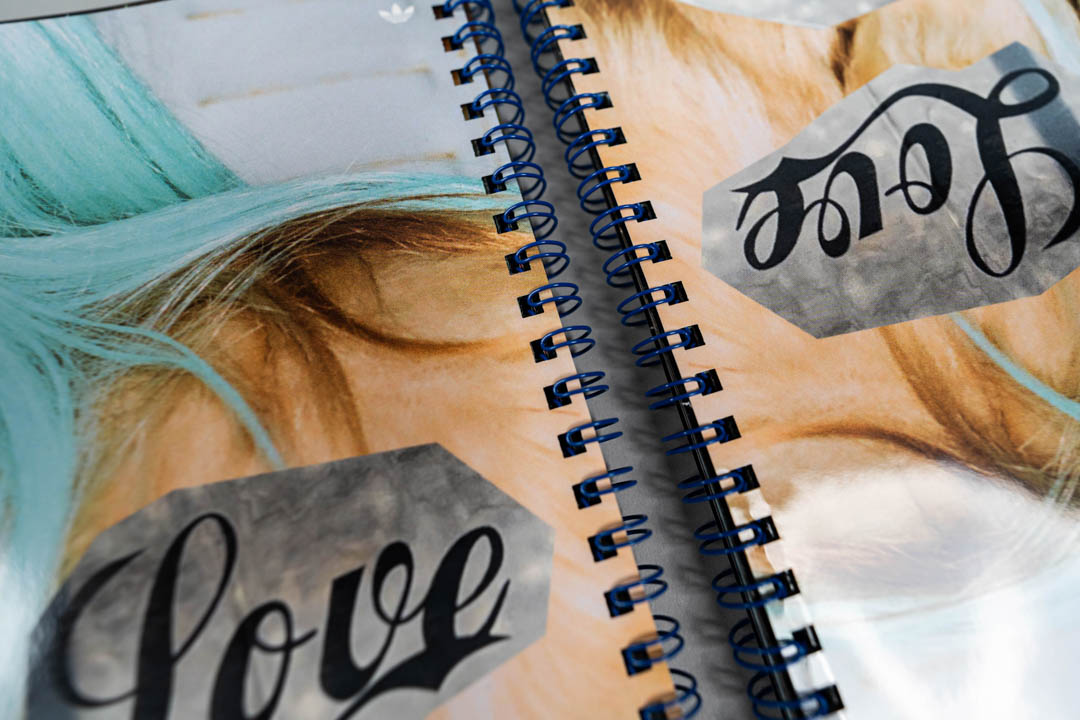
Wire-O
Wire-O binding is well suited to magazines, catalogues, and informational publications where ease of use is especially important. With this method, the pages are punched and bound with a metal or plastic coil, allowing the publication to open fully and rotate 360 degrees.
It is a practical solution for publications that are frequently handled, used during work, or designed to serve not only a presentational but also a functional purpose.
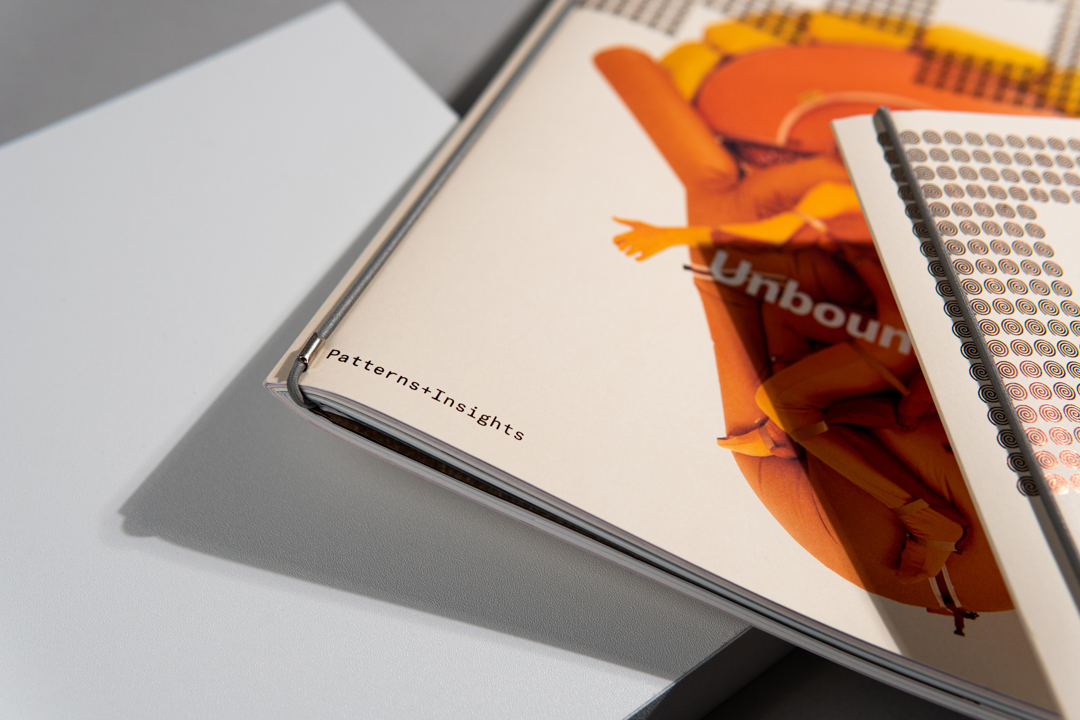
Elastic band
Elastic binding is an unconventional and visually distinctive solution for magazines where the binding itself becomes a visible part of the design. The pages or individual sections are held together with an elastic band, which keeps the structure intact while also serving as a color or graphic accent.
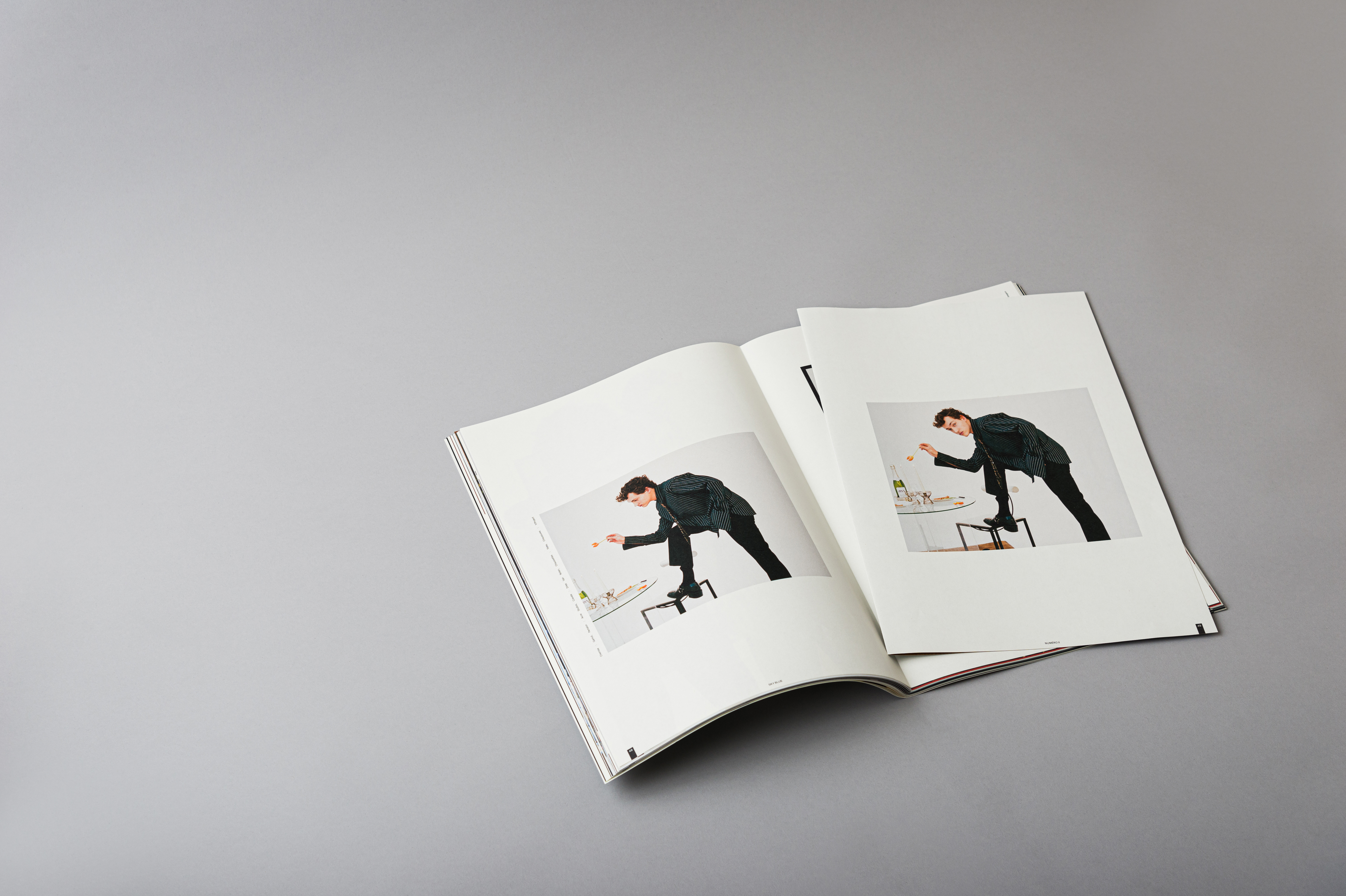
Unbound
An unconventional way of presenting a magazine, where the printed and folded signatures are assembled into a complete publication without being joined by a traditional binding method. This structure highlights the printing process, the texture of the paper, and the publication as a physical object in its own right.
PAPASAKOKITE MUMS APIE SAVO ŽURNALO PROJEKTĄ
Mūsų komanda mielai atsakys į visus jūsų klausimus.
Suderinkime trumpą susitikimą vaizdo skambučiu arba užpildykite formą ir mes susisieksime su jumis per 8 darbo valandas.