Manuals

Manuals
FSC

Sustainability in Production

We apply responsible production practices throughout the printing process – from energy use and paper selection to waste management. Our printing house uses electricity generated by its own solar power plant, while our environmental processes are managed in accordance with the ISO 14001:2015 standard.
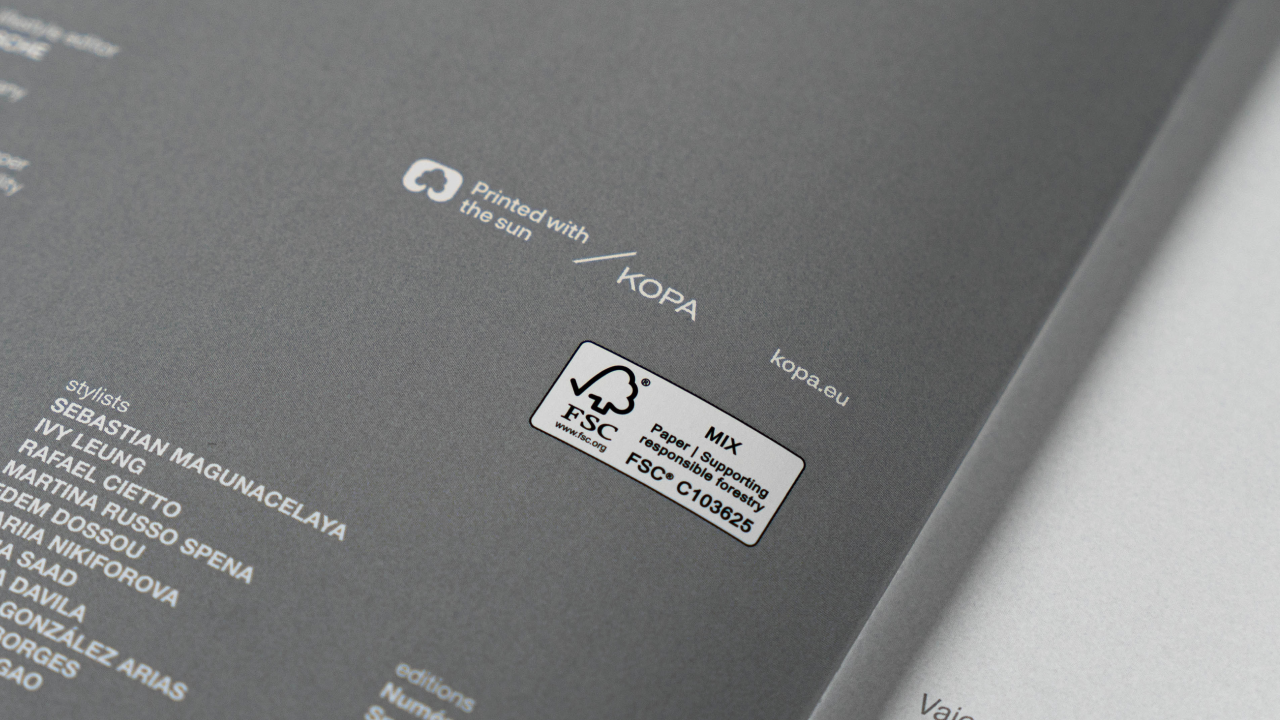
We can offer our clients FSC-certified paper, and eligible products can be marked with the FSC or “Printed with Solar Energy” sustainability label.
Formatai

Formats

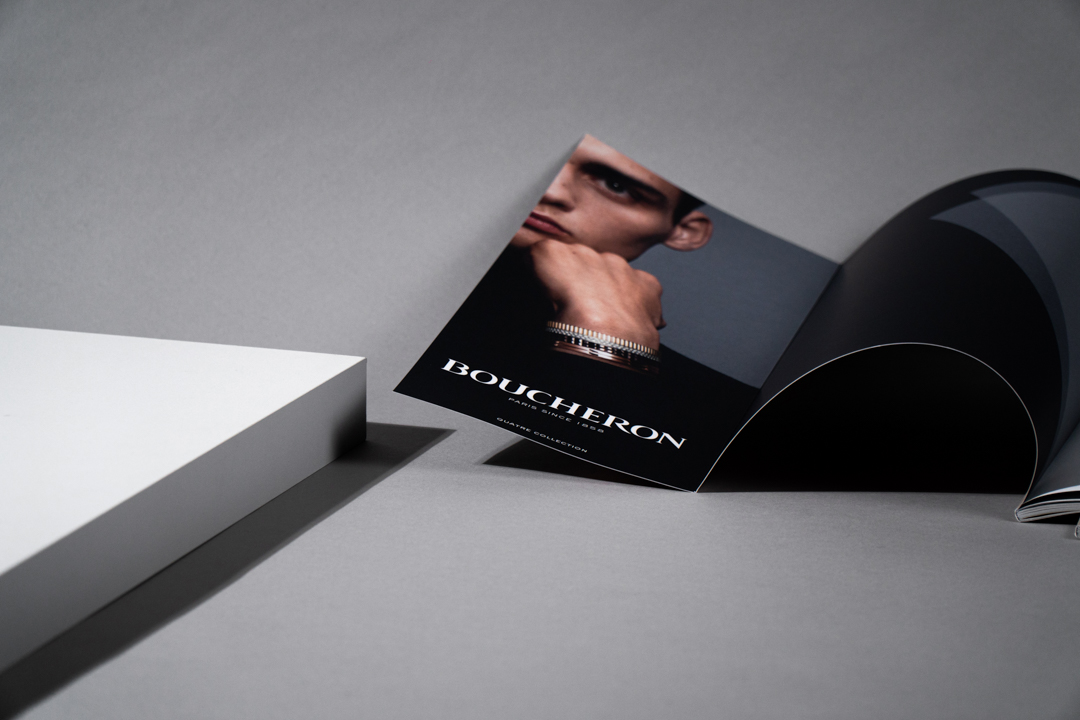
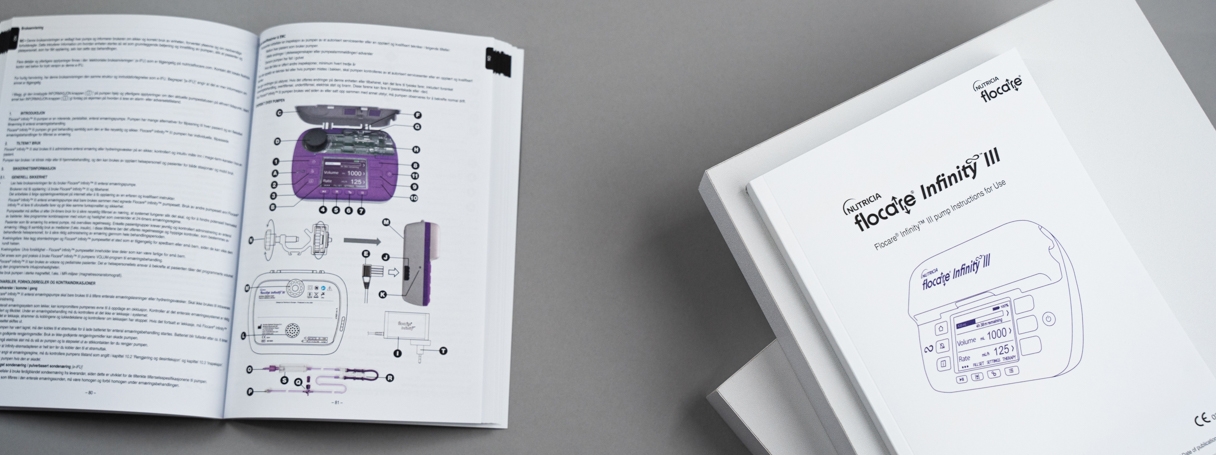
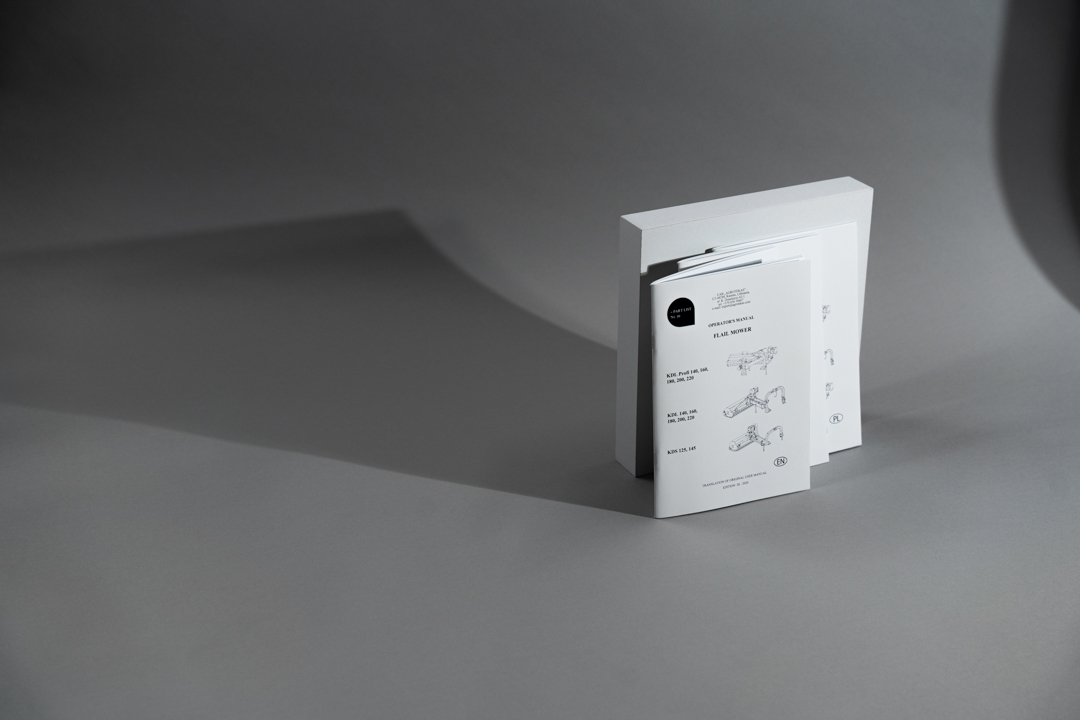
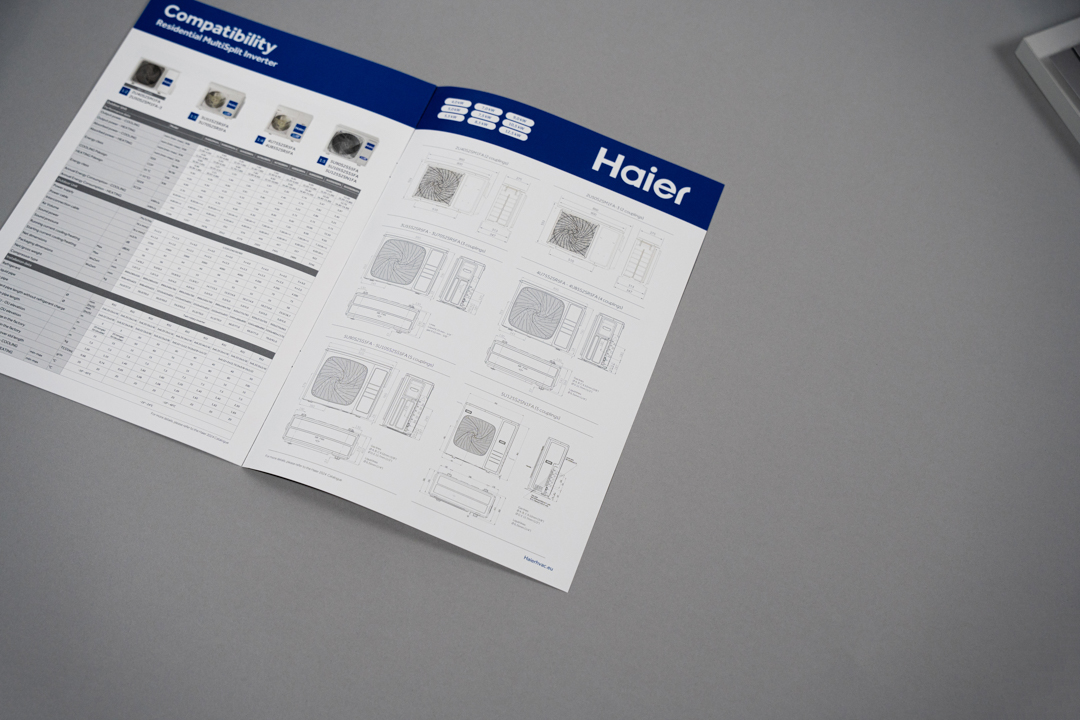
The format of a user manual should be easy to read while also being practical for the product and its packaging. We produce publications in a wide range of sizes and proportions — from compact, small-format manuals to larger, more detailed guides. We help choose a format that presents the information clearly, remains convenient to use, and makes efficient use of the available space inside the packaging.
Įrišimas

Binding

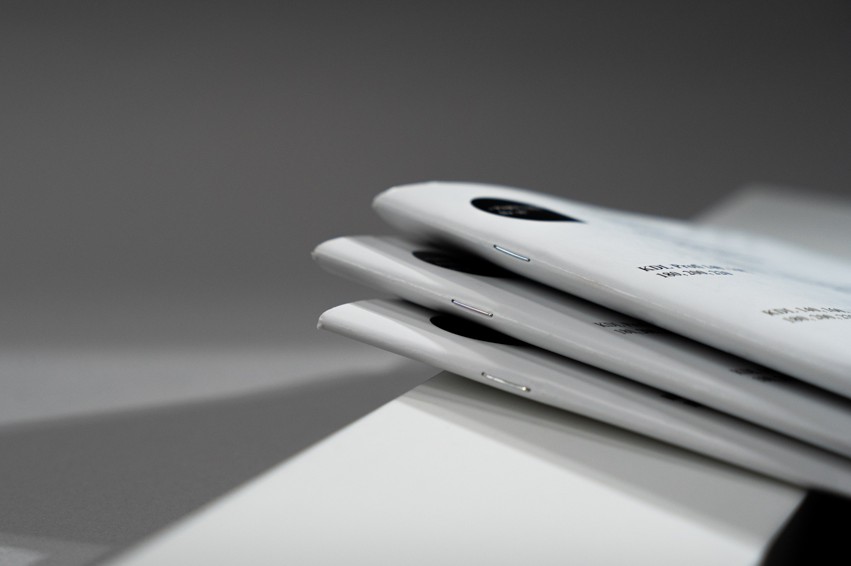
The most suitable binding method depends on the manual’s page count, format, and intended use. Saddle stitching is usually a good choice for thinner publications, while perfect binding or other practical solutions may be more suitable for longer manuals. We help clients evaluate the advantages of different binding methods and choose an option that is durable, easy to handle, and well suited to the specific publication.
Tiekimas

Reliable supply

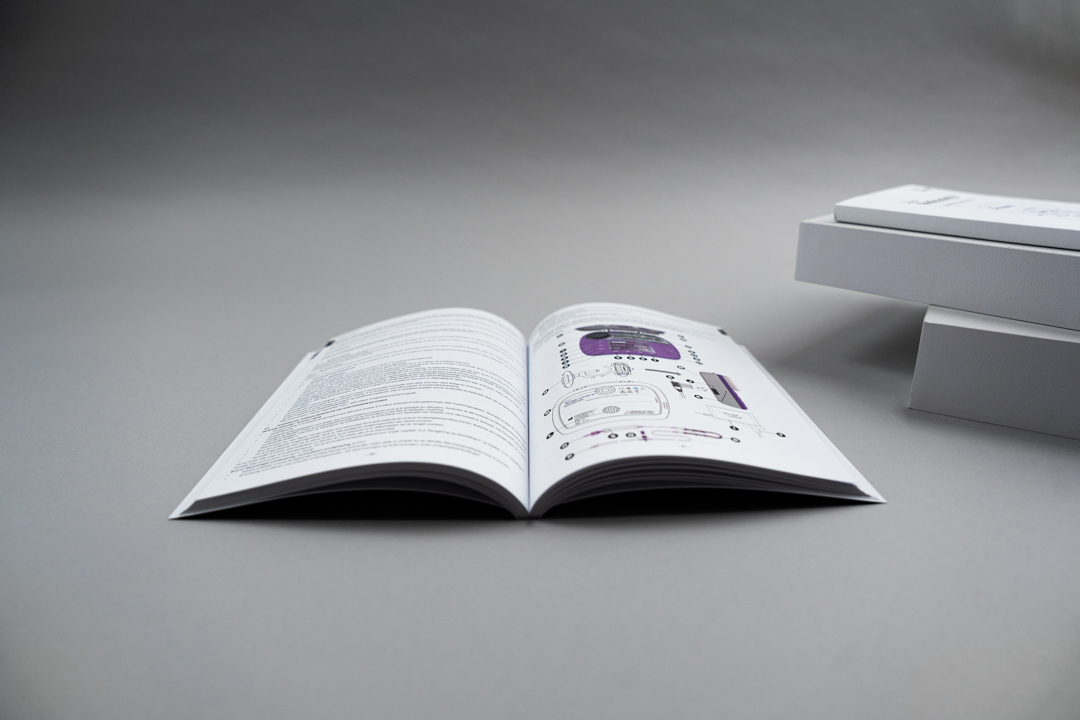
When a user manual is included with every product, running out of stock can delay packaging or shipment of the finished product. That is why we place strong emphasis on production planning, reprints, and meeting agreed deadlines. Our goal is to ensure a reliable supply of printed materials in line with your production needs, so the required quantities are delivered exactly when they are needed.

TELL US ABOUT YOUR PRINT PROJECT

Our team will be happy to answer any questions you may have.
Schedule a short video call with us, or fill in the form and we’ll get back to you within 8 business hours.
Send your request

Price catalogues

Pricelists
FSC

Sustainability in Production

We apply responsible production practices throughout the printing process – from energy use and paper selection to waste management. Our printing house uses electricity generated by its own solar power plant, while our environmental processes are managed in accordance with the ISO 14001:2015 standard.
We can offer our clients FSC-certified paper, and eligible products can be marked with the FSC or “Printed with Solar Energy” sustainability label.

Spaudos kokybė

Print quality

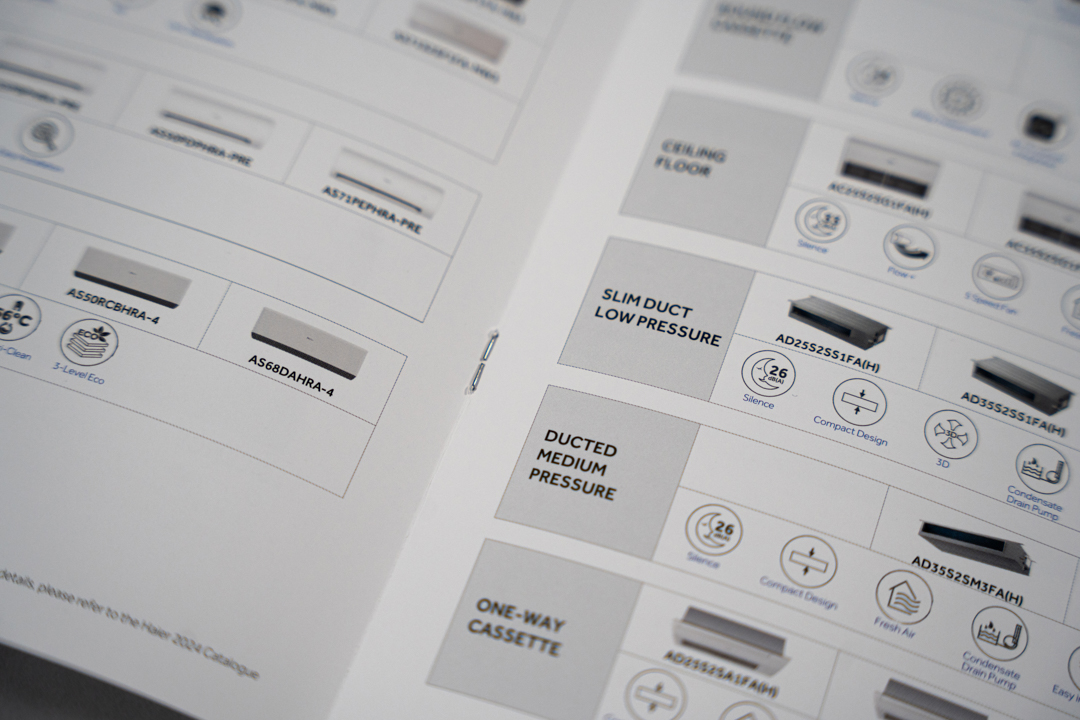
Price lists and technical catalogues often contain small text, tables, product codes, dimensions, diagrams, and fine graphic lines, making printing precision especially important. We ensure that even the smallest details remain clear and easy to read, while tables, drawings, and technical elements retain their sharpness and accuracy. For high-page-count catalogues, it is important to find the right balance between readability, suitable paper thickness, and a comfortable overall weight of the finished publication.

Registrai

Indexing

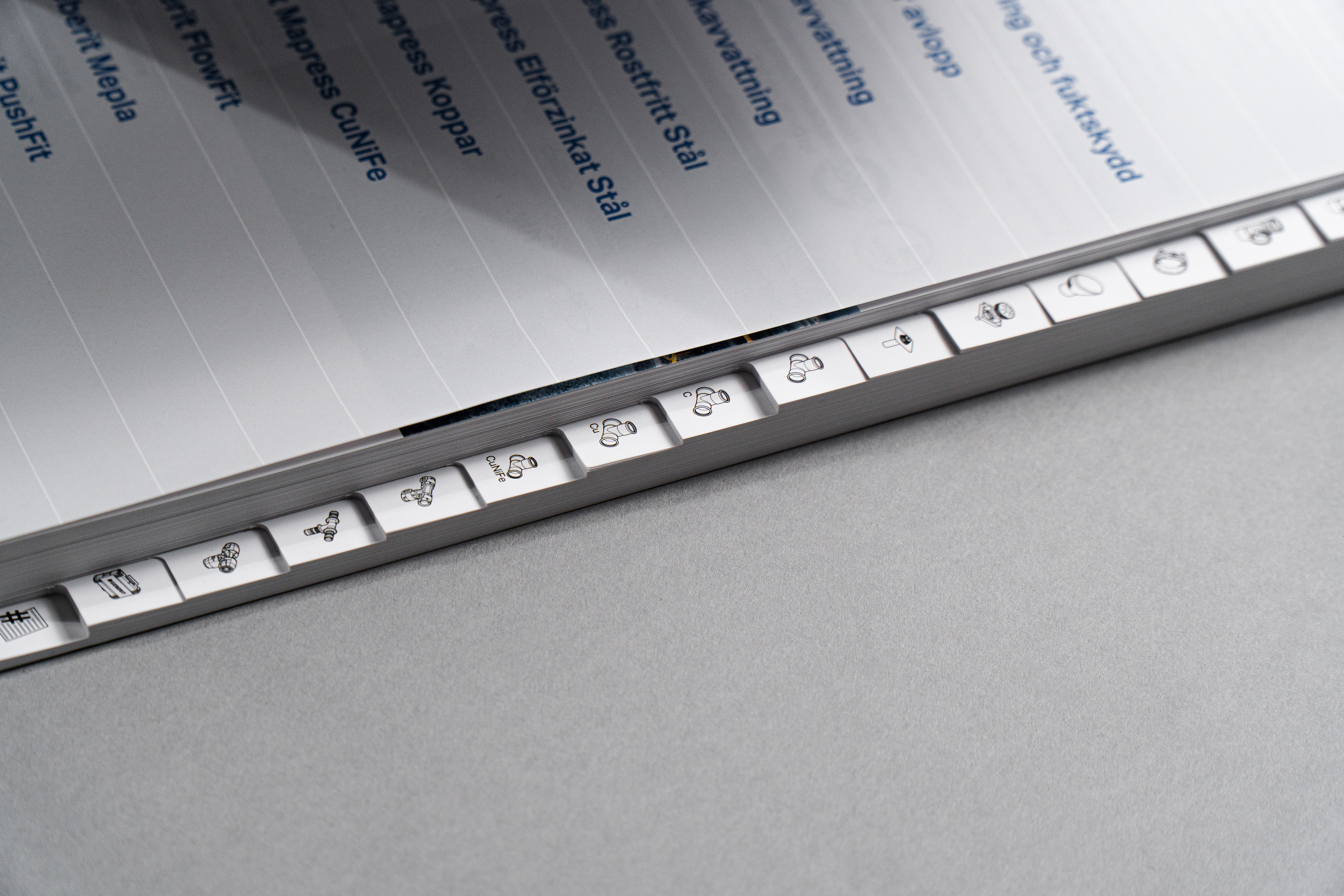
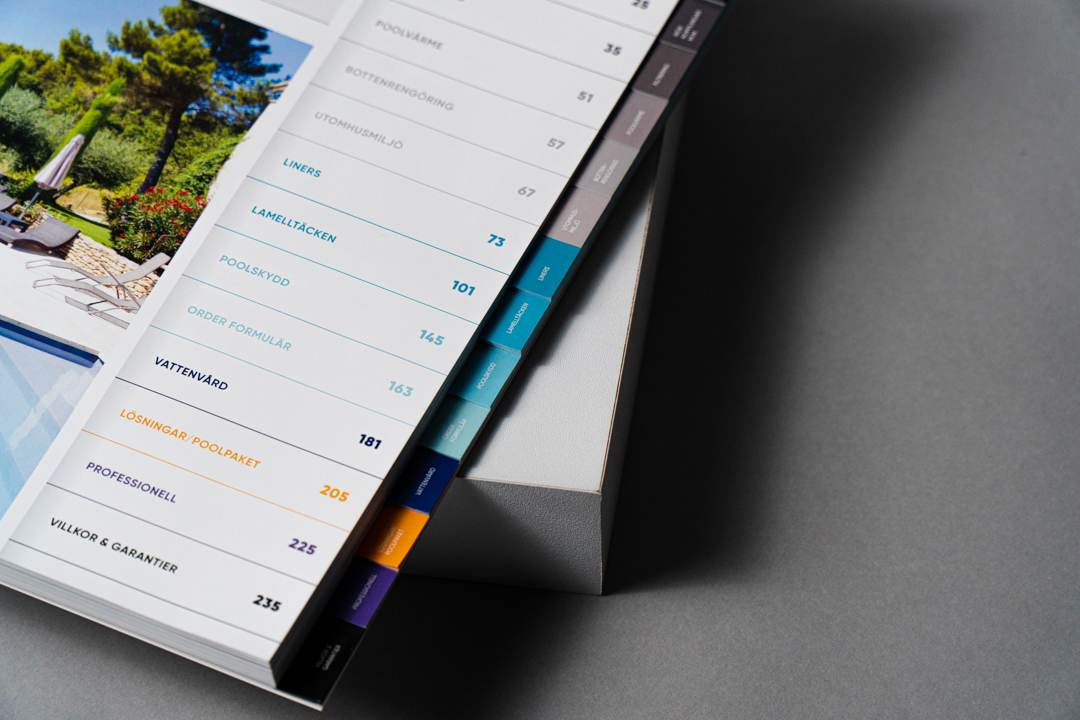
When a catalogue contains multiple product groups and hundreds of pages, clear navigation becomes especially important. Index tabs help organize information into logical sections and allow users to reach the relevant product category more quickly. They can be differentiated by color, graphic design, or created using die-cutting. We help assess the technical solutions for index tabs before production begins, ensuring accurate positioning and making the catalogue convenient to use on a daily basis.

Pakartojamumas

Reprints and version management

Price lists and technical catalogues often have multiple versions — for different markets, languages, product groups, or pricing structures. When handling repeat orders, we aim to maintain maximum consistency across every detail, from paper and colors to binding and finishing. This is especially important when different catalogue versions are used simultaneously or when a new print run is added to existing stock. When producing multiple language or market-specific versions, precise version control is equally important to ensure that files, covers, print quantities, and configurations are not mixed up.

Įrišimas

Binding

Technical catalogues and price lists are often designed for long-term use rather than as one-off publications — they may be handled daily in retail locations, offices, warehouses, or by customers and partners. That is why we help select the most suitable binding method based on the catalogue’s page count, format, and intensity of use. Saddle stitching may be suitable for thinner publications, while thicker catalogues may benefit from perfect binding. For publications that need to open comfortably and withstand frequent handling, spiral binding or other functional binding methods can be a better choice. The key is to ensure that the catalogue is easy to use and remains durable throughout its lifetime.

Finishing

Finishing

In technical catalogues, finishing often serves not only an aesthetic but also a practical purpose. A laminated or otherwise protected cover is more resistant to scuffing, bending, and frequent handling. We help select the most suitable finishing option based on the catalogue’s intended use, print run, and desired result — from a practical, durable cover to a more premium and presentational finish.

TELL US ABOUT YOUR PRINT PROJECT

Our team will be happy to answer any questions you may have.
Schedule a short video call with us, or fill in the form and we’ll get back to you within 8 business hours.
Send your request

Catalogues

catalogue-printing-printed-kopa
FSC

Sustainability in Production

We apply responsible production practices throughout the printing process – from energy use and paper selection to waste management. Our printing house uses electricity generated by its own solar power plant, while our environmental processes are managed in accordance with the ISO 14001:2015 standard.
We can offer our clients FSC-certified paper, and eligible products can be marked with the FSC or “Printed with Solar Energy” sustainability label.

Apdaila

Finishing

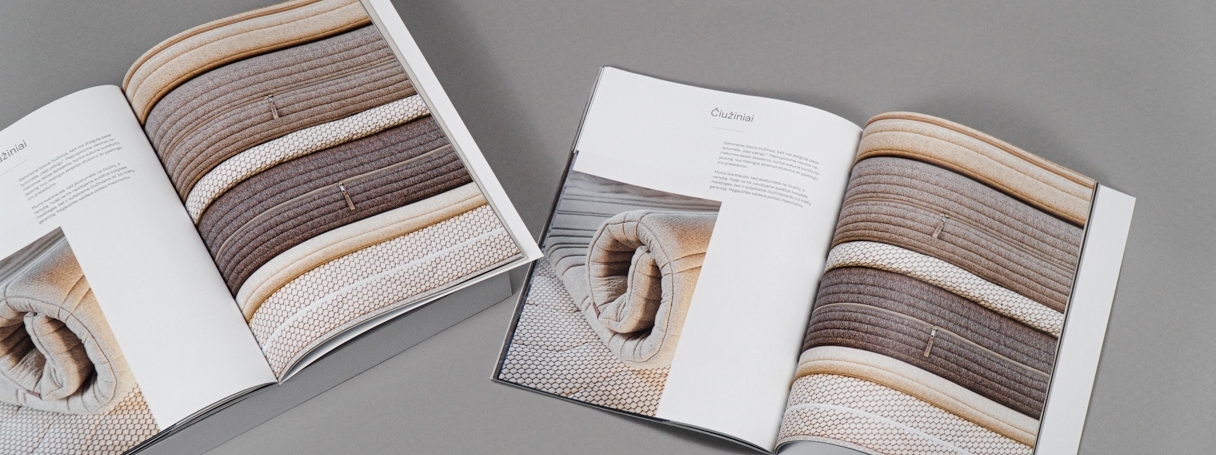
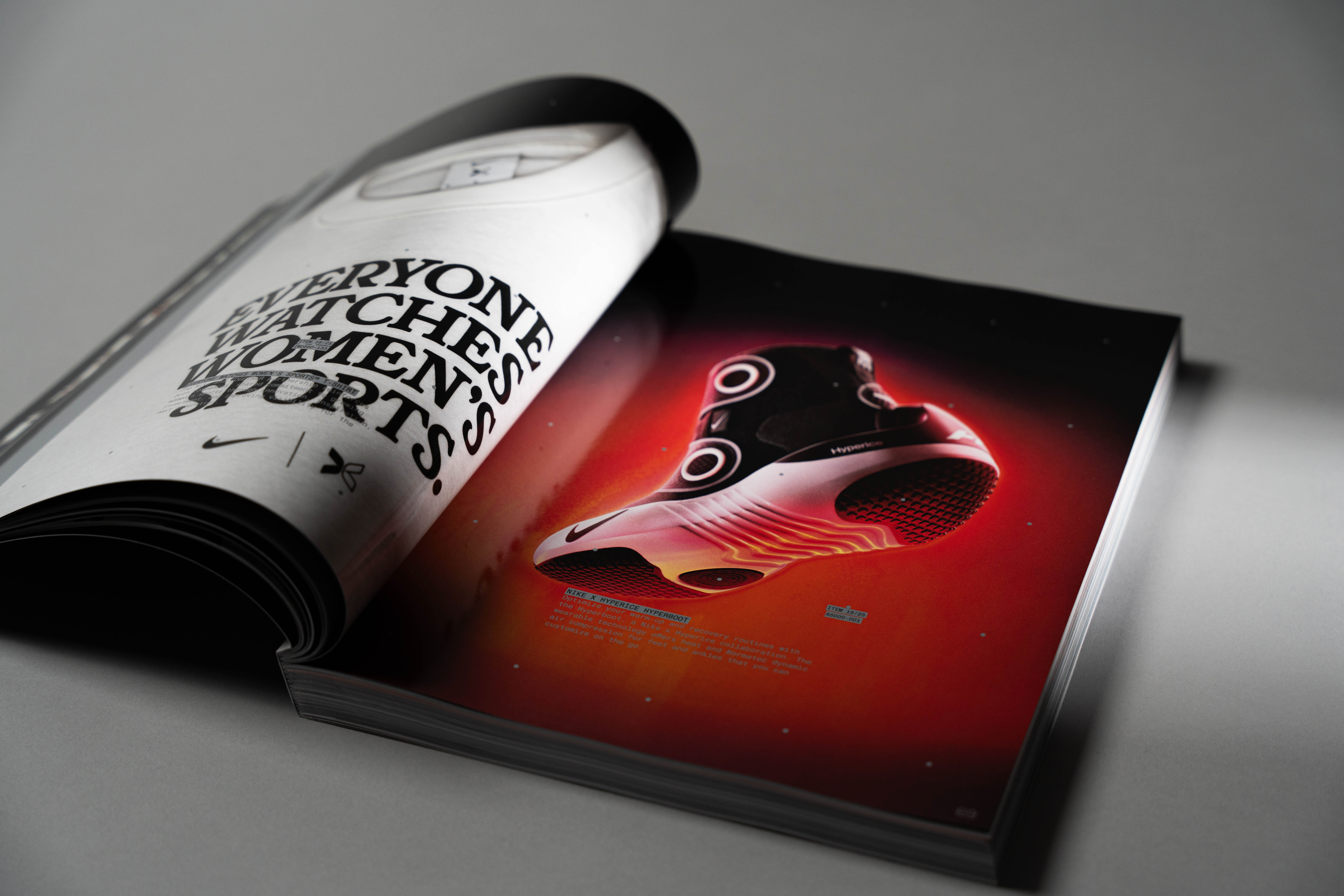
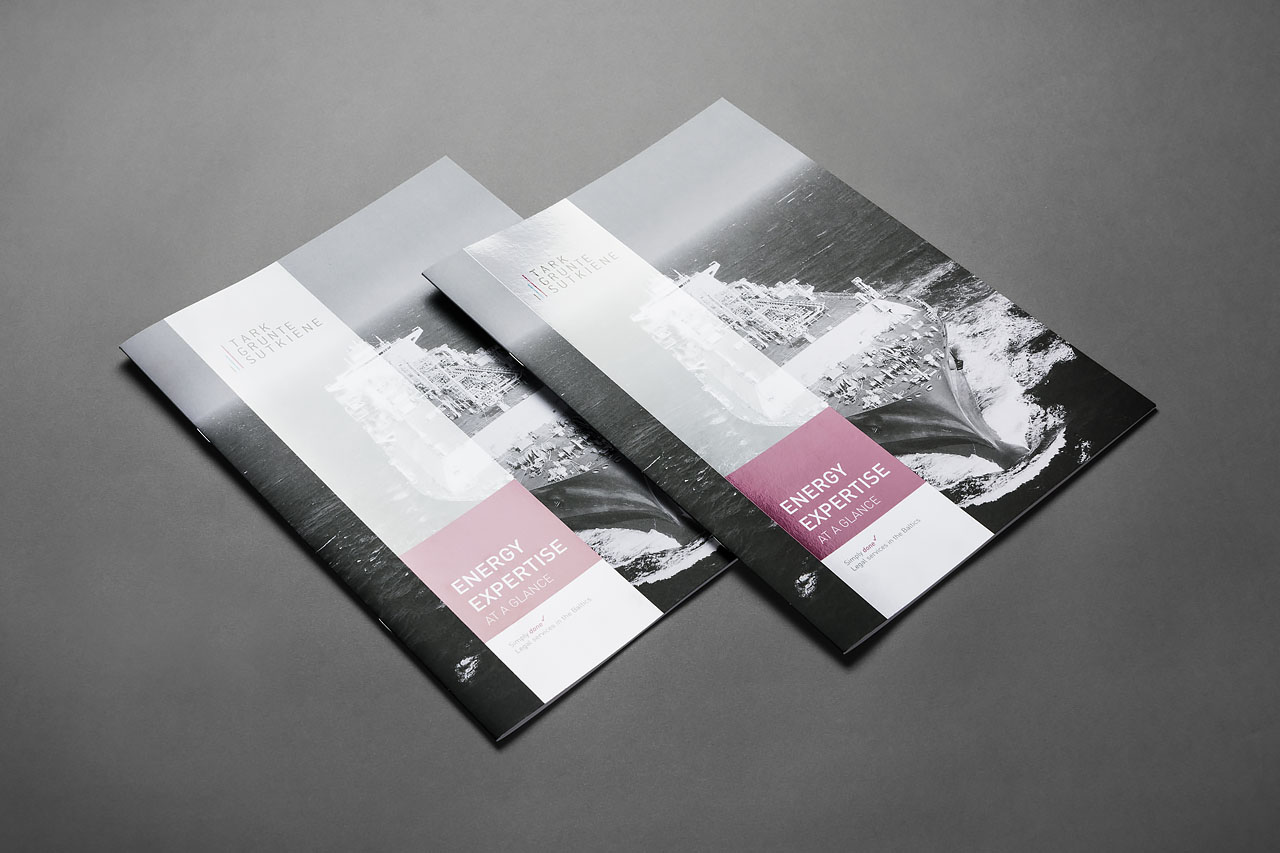
Finishing can enhance the overall impact of a catalogue, but the key is to use it with purpose. Lamination, spot UV varnish, foil stamping, embossing or other finishing techniques can help highlight the cover, logo, product detail or another important visual element. We help coordinate the paper, printing and finishing options so that the final result is not only visually impressive, but also technically reliable and suitable for the planned print run.

Spalvos

Colours

Colour accuracy is particularly important in product catalogues – even a slight shift in tone can change the way a product, material or surface is perceived. We control colour reproduction throughout the production process to preserve detail, contrast and subtle tonal variations in images. When precise colour matching is especially important, we recommend producing colour proofs before the main print run. This allows the result to be evaluated on the selected paper in advance and, if necessary, the colours to be adjusted before full production begins.

Įrišimas

Binding

A catalogue should not only look good on the shelf – it should also be easy to browse, open and use. For thinner catalogues, saddle stitching with staples can be a practical choice, while thicker publications may require perfect binding or another suitable binding method. We take into account the paper thickness, page count, catalogue format and how intensively the publication will be used. The goal is to ensure a reliable construction and a binding method that does not interfere with the content or the way product images are presented.

Registrai

Indexing

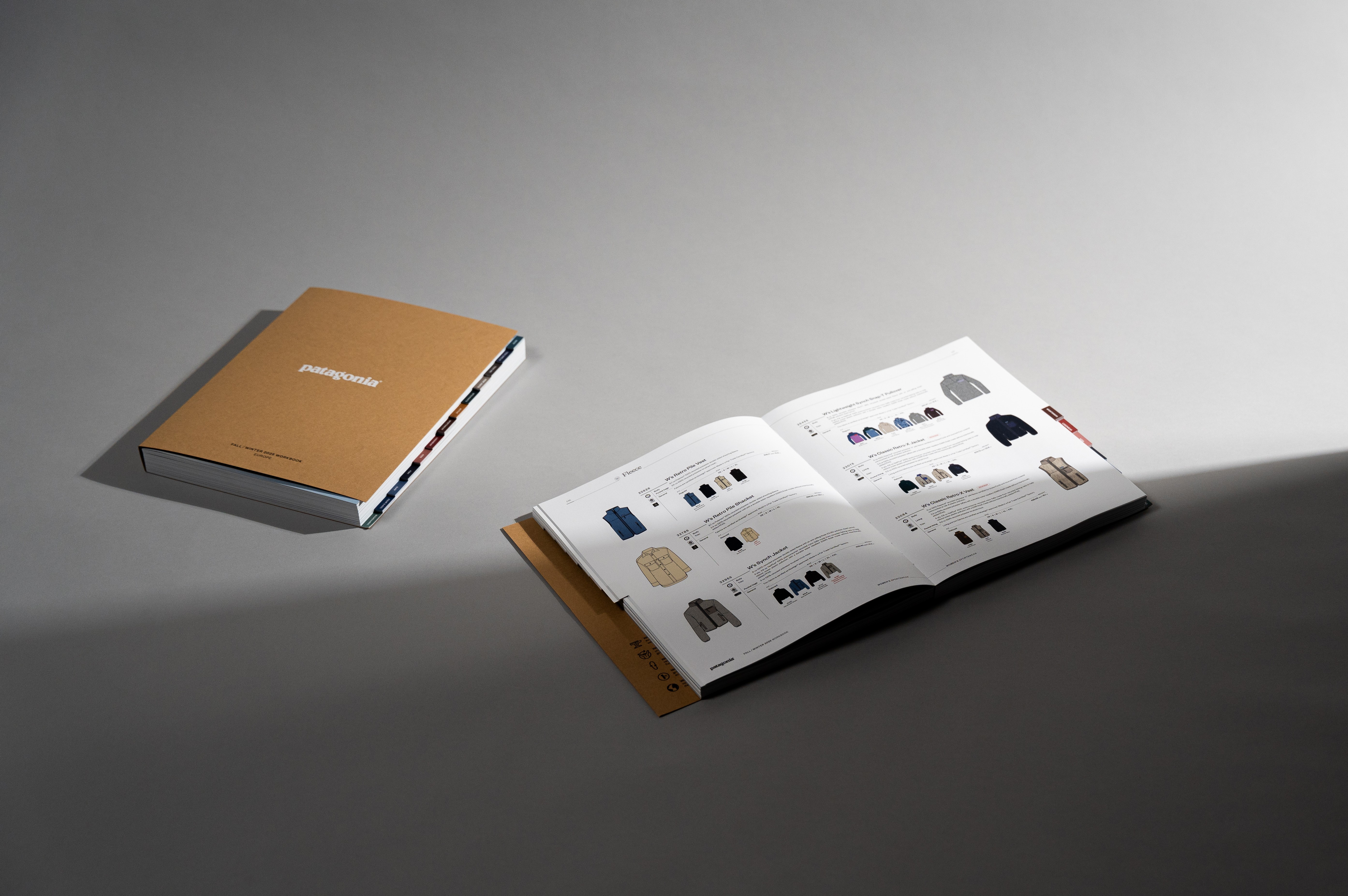
In high-page-count catalogues, it is important not only to fit in a large amount of information, but also to make it easy for the user to navigate. Indexes help clearly separate product groups and provide faster access to the relevant section of the catalogue. Depending on the design and construction, they can be created using printed elements, die-cut tabs or other technical solutions. We help assess how the indexes should be designed so they are clear, precisely produced and easy to use, even in extensive catalogues.

TELL US ABOUT YOUR PRINT PROJECT

Our team will be happy to answer any questions you may have.
Schedule a short video call with us, or fill in the form and we’ll get back to you within 8 business hours.
Send your request

SUSTAINABILITY

Sustainability
Tvarumas

Sustainable solutions for magazine publishers

Sustainability in magazine production starts with specific choices: the origin of the paper, the energy used, the production process, and the ability to clearly communicate how the publication was made. KOPA helps magazine publishers choose more responsible printing solutions without compromising visual quality, material feel, or print expression.

Printed with the sun

Printed with the sun

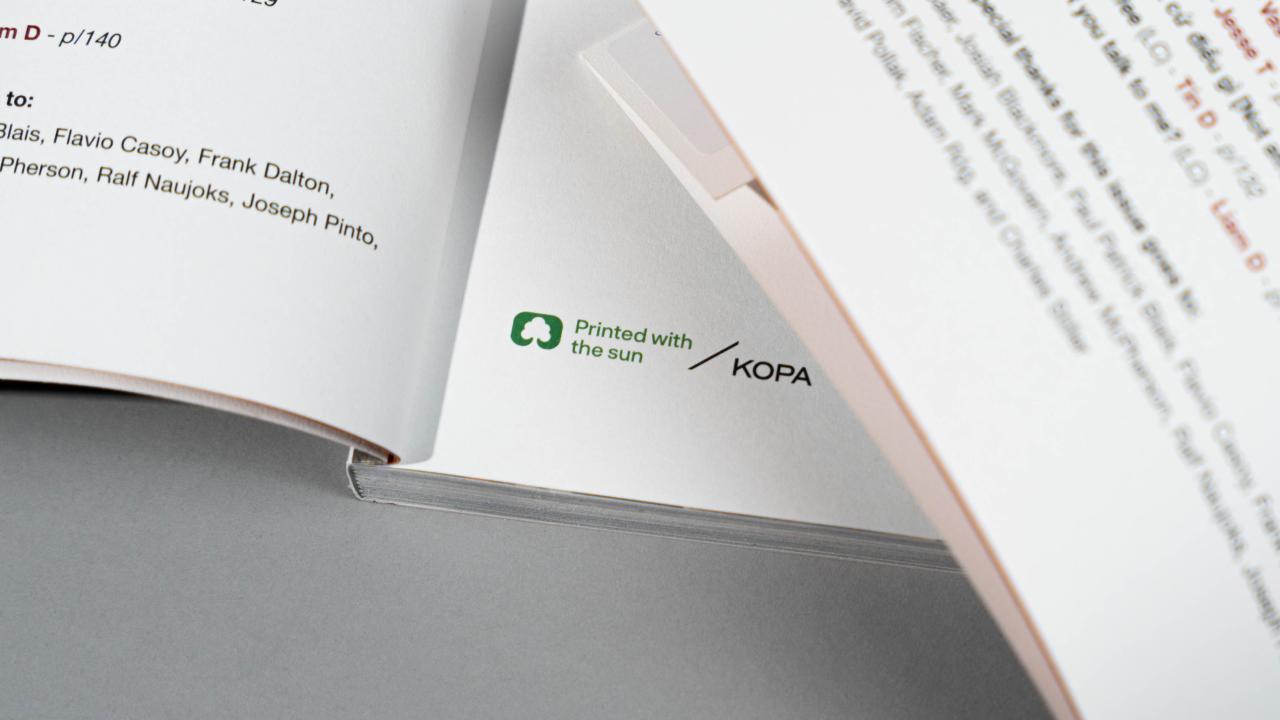
KOPA uses solar energy in its production, allowing us to offer magazine publishers the PRINTED WITH SOLAR ENERGY sustainability mark. It is a clear and easy-to-understand way to show that renewable energy was used in the production of the publication. The mark can be integrated into the magazine layout — on the colophon page, at the end of the publication, or in another suitable communication area. This way, the sustainability choice becomes visible not only in the production process, but also in the publication itself.

FSC

FSC certified paper

Paper is one of the most important elements of a magazine — it shapes the publication’s feel, aesthetics, and perceived value. By choosing FSC®-certified paper, publishers can demonstrate that the wood used in their magazine production comes from responsibly managed forests. This is especially important for publications that value transparency, brand reputation, and clear communication with readers, advertising partners, or sponsors. The FSC® label can also be displayed in the publication, further reinforcing its sustainability credentials.
Bring your story on paper

Climate Partner

In partnership with Climate Partner, we can help assess the CO₂ footprint of a print project. This allows publishers to better understand the environmental impact of their magazine production and, where relevant, choose additional measures to reduce or offset that impact.
Magazines

Responsible internal processes

Sustainability is more than just a label on a publication for us. In its daily operations, KOPA works to reduce the environmental impact of production by conserving energy resources, sorting production waste and sending it for recycling, and encouraging the use of responsibly sourced or recycled paper. The printing house operates an environmental management system in accordance with the ISO 14001 standard, helping ensure that sustainability principles are applied not only to individual projects, but throughout everyday production processes.

PAPASAKOKITE MUMS APIE SAVO ŽURNALO PROJEKTĄ

Mūsų komanda mielai atsakys į visus jūsų klausimus.
Suderinkime trumpą susitikimą vaizdo skambučiu arba užpildykite formą ir mes susisieksime su jumis per 8 darbo valandas.

Send your request

Unique ideas

Varnish
Cuts

How to stand out?

Magazines need to remain appealing not only to readers, but also to sponsors, partners, and advertisers. That is why we help create custom print solutions — inserts, fold-outs, die-cuts, specialty papers, and additional formats that give advertising greater visibility and impact.

Varnish

Interior page varnishing

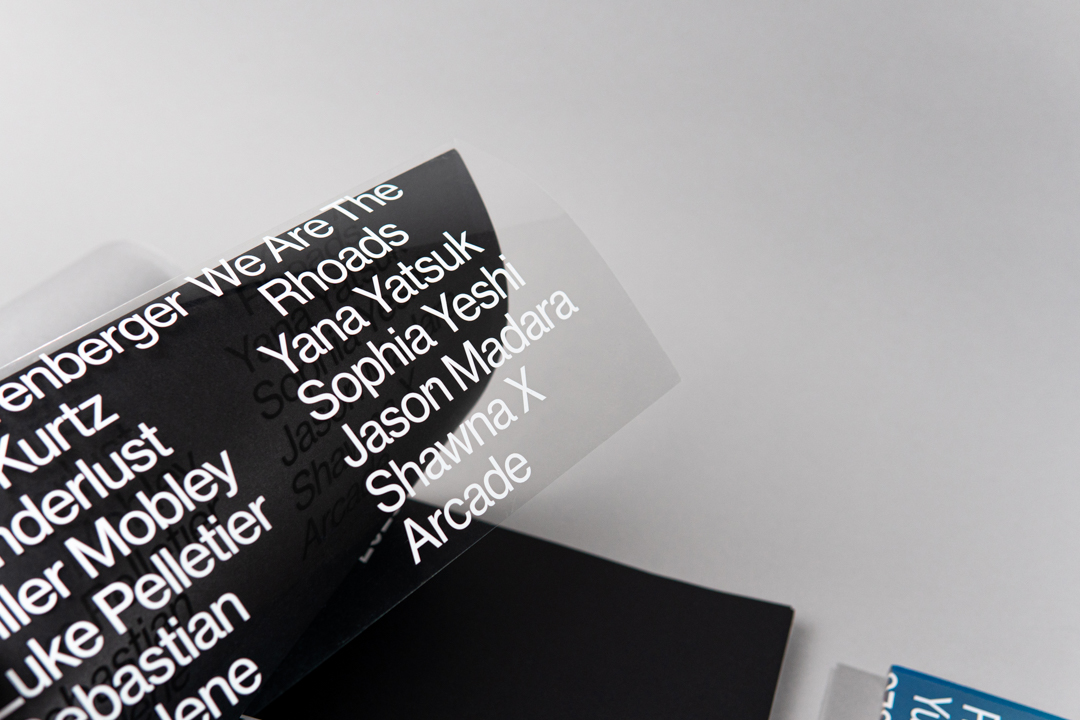
Interior page varnishing makes it possible to highlight specific magazine pages, sections, or advertising placements by adding stronger visual and tactile contrast. A clear gloss varnish can be applied across the entire page or only to selected areas, making it ideal for drawing attention to a particular image, logo, product, or advertisement. UV varnish is cured using ultraviolet light, while spot varnishing is most commonly used to create contrast between matte and glossy surfaces.

Flaps

Flaps

Flaps create an additional, more engaging advertising placement within a magazine. Because the extended section of the cover physically opens out, it sparks curiosity, stands apart from standard pages, and gives the advertisement greater visibility. It is a practical way to offer partners not just advertising space, but a clearly differentiated part of the reading experience.

Inserts

Inserts

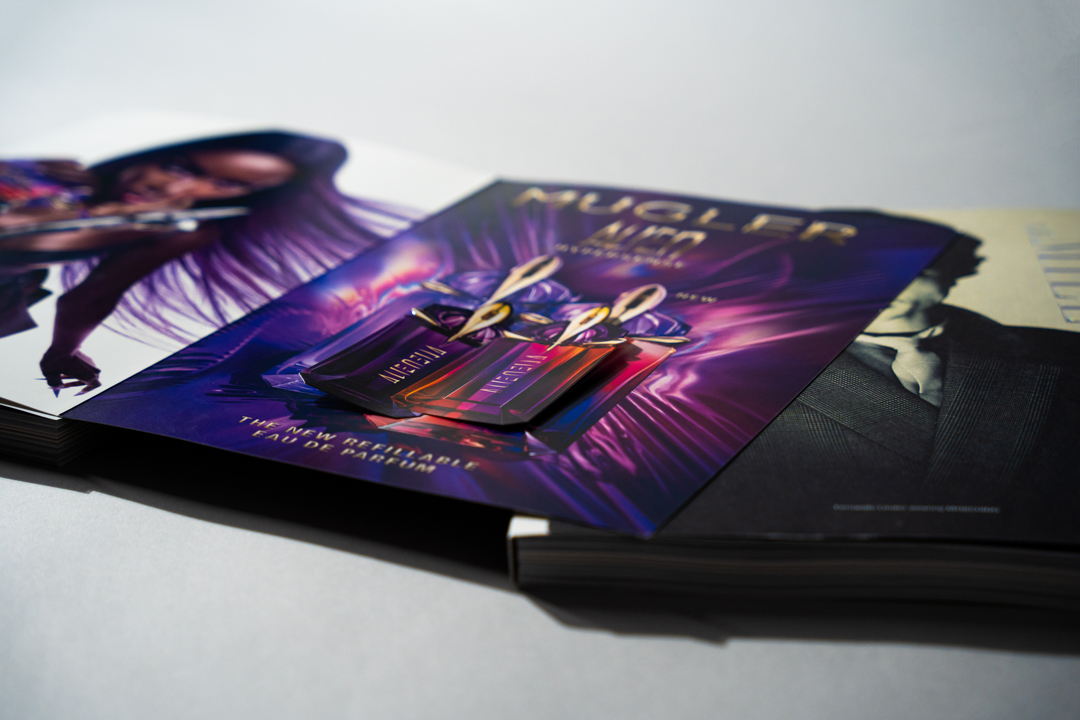
Postcards, bookmarks, coupons, invitations, and other printed inserts placed inside a magazine can provide additional advertising space. Because readers can remove, keep, or use them, this type of advertising has a longer-lasting impact than a standard page and creates a more tangible connection with the audience.

Belly band

Belly band

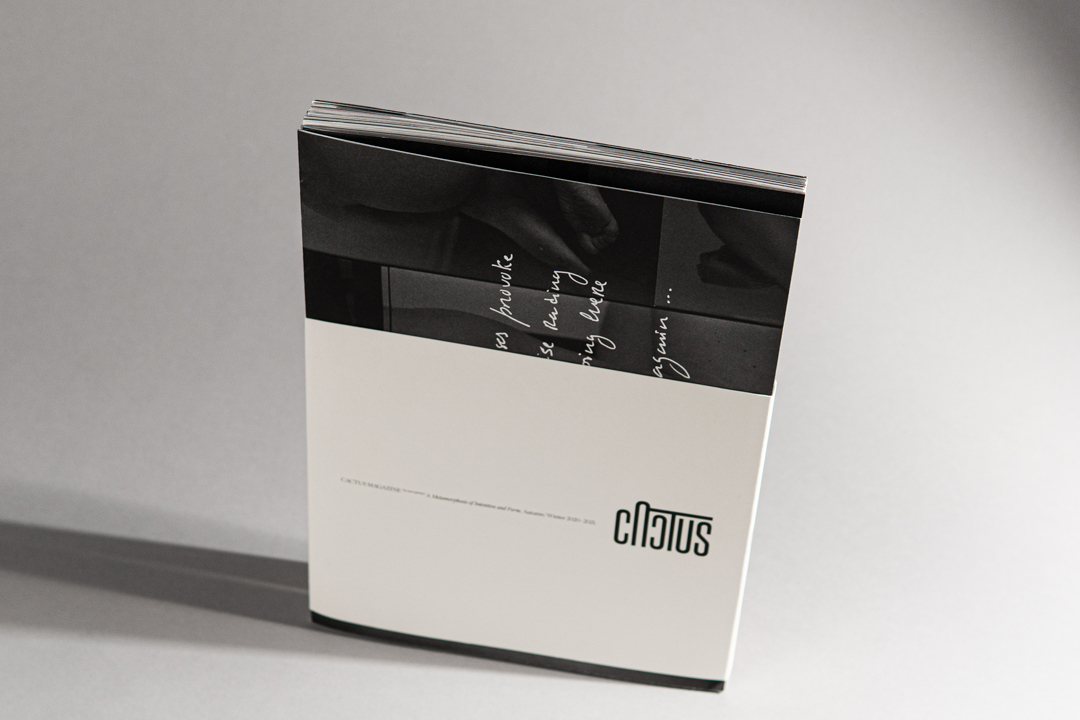
A belly band is a narrow strip of paper or another material wrapped around the magazine cover. It can be used as an additional design element to highlight a special issue, theme, section, partner message, or promotional offer.

Dust jacket

Dust jacket

A removable cover with flaps provides additional protection for the magazine and gives the publication a more substantial, premium feel. It can also serve as a separate communication space for a special issue, partner message, or advertisement without altering the design of the main cover.

Multiple covers

Multiple cover designs

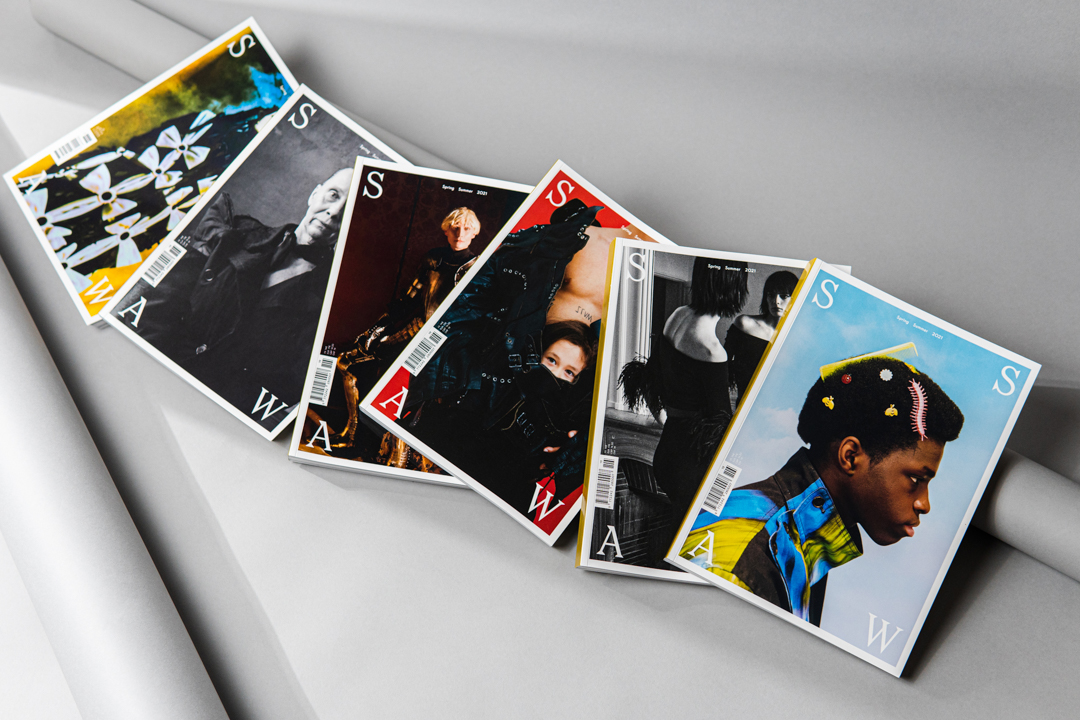
Different cover versions of the same magazine issue make it possible to tailor the publication to different audiences, themes, or distribution channels. This can be especially useful when a single issue features several strong visual directions, different cover stars, partners, or special editions.

For advertising partners, this strategy offers an opportunity for even greater visibility — not only within the magazine’s interior pages, but also by associating their brand with a specific cover concept.

PAPASAKOKITE MUMS APIE SAVO ŽURNALO PROJEKTĄ

Mūsų komanda mielai atsakys į visus jūsų klausimus.
Suderinkime trumpą susitikimą vaizdo skambučiu arba užpildykite formą ir mes susisieksime su jumis per 8 darbo valandas.

Send your request

COLOURS

colours
Colours

Colours

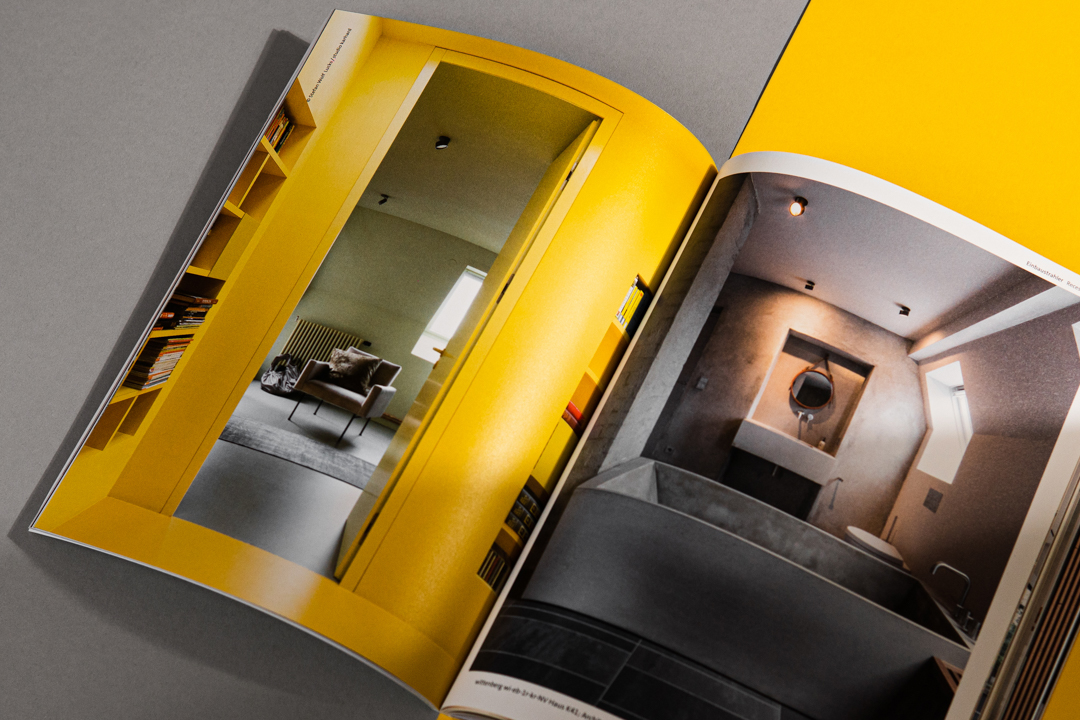
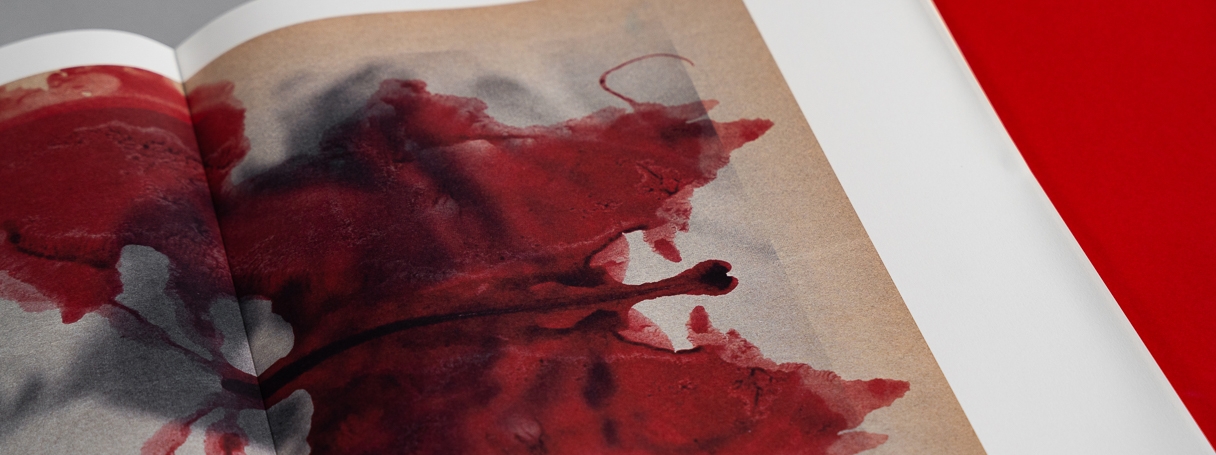
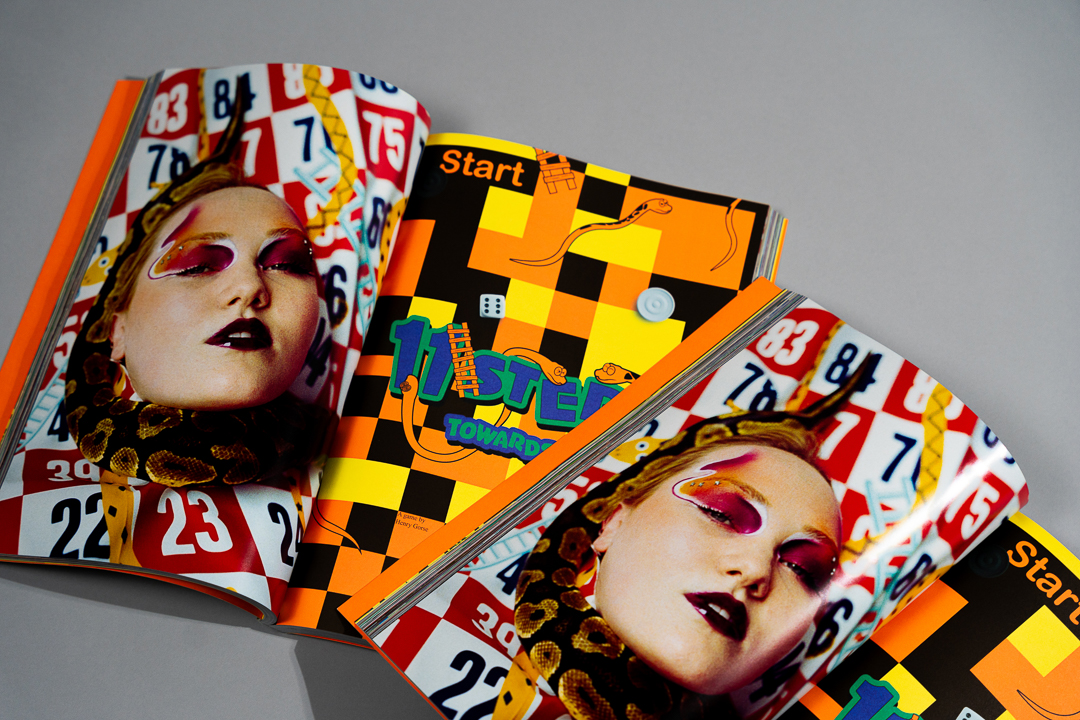
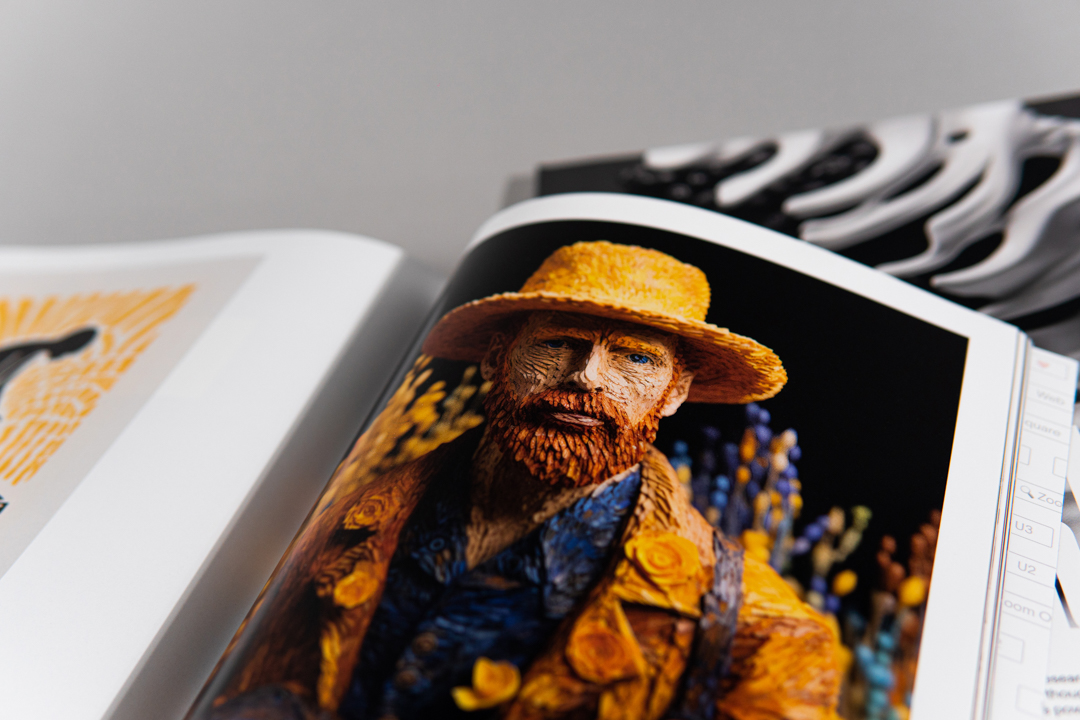
When creating a magazine, you put a great deal of thought into its visual identity — photography, illustrations, brand colors, the feel of the paper, and the overall mood of the publication. Our job is to make sure all of these elements look just as powerful in print as they do on screen.

We help you choose the right paper, evaluate color solutions, and ensure that the magazine’s visual character remains consistent from one issue to the next.

Colours

LE-UV technology

LE-UV technology delivers vibrant, rich, and crisp colors even on uncoated paper. This is especially important when you want to preserve the paper’s natural, pleasant tactile feel without sacrificing color intensity, contrast, or detail. The technology dries the ink instantly, reducing absorption into the paper and keeping more of the ink on the surface for brighter, more vivid results.

PAPASAKOKITE MUMS APIE SAVO ŽURNALO PROJEKTĄ

Mūsų komanda mielai atsakys į visus jūsų klausimus.
Suderinkime trumpą susitikimą vaizdo skambučiu arba užpildykite formą ir mes susisieksime su jumis per 8 darbo valandas.

Send your request

FINISHING

Finishing
Foil

Foil stamping

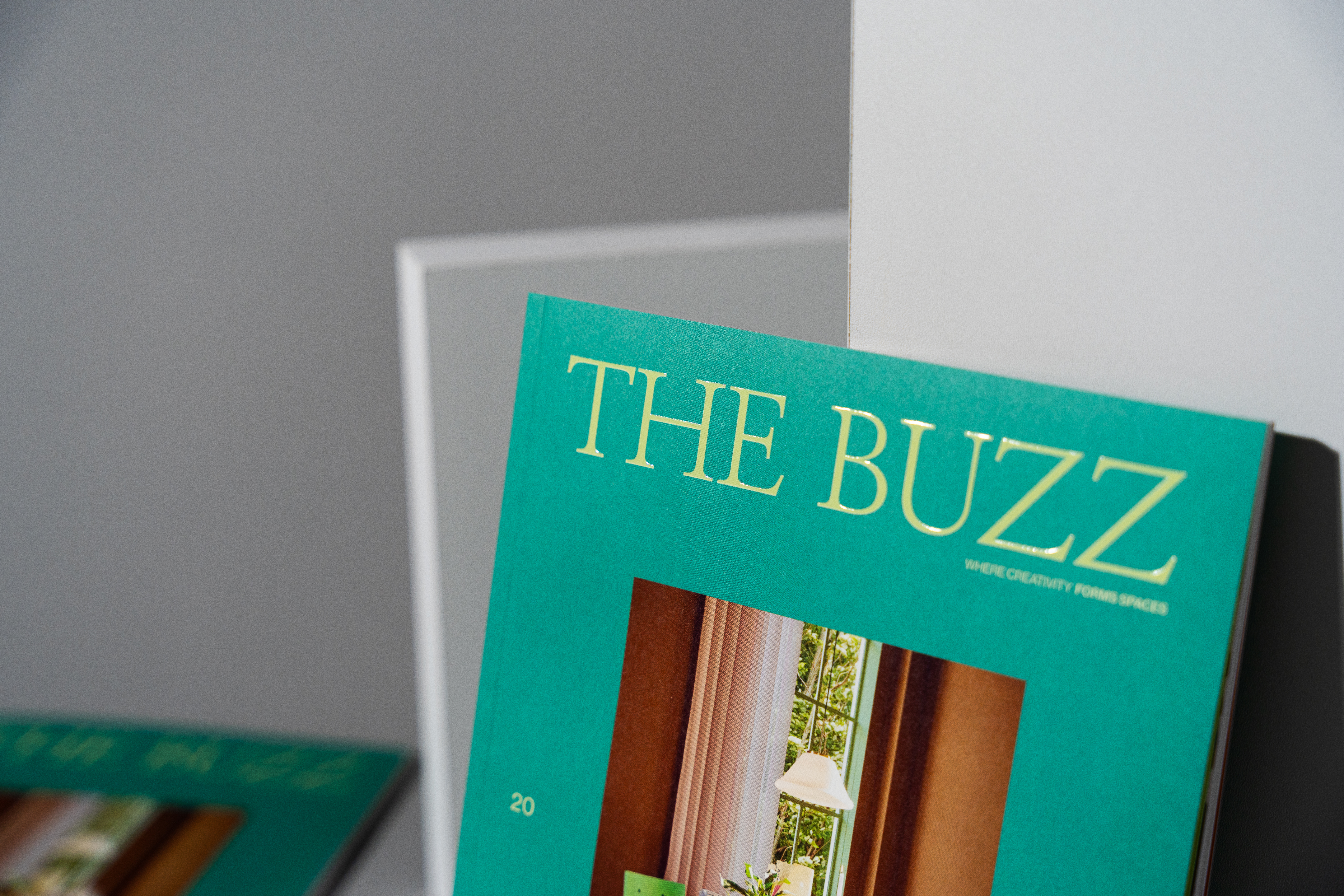
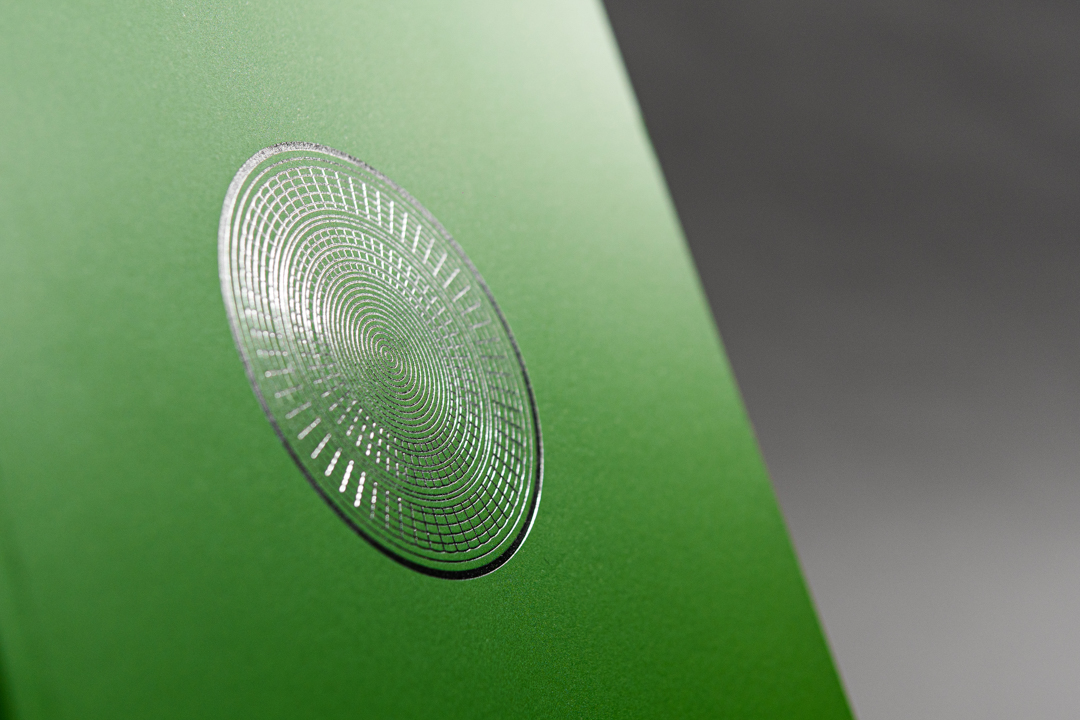
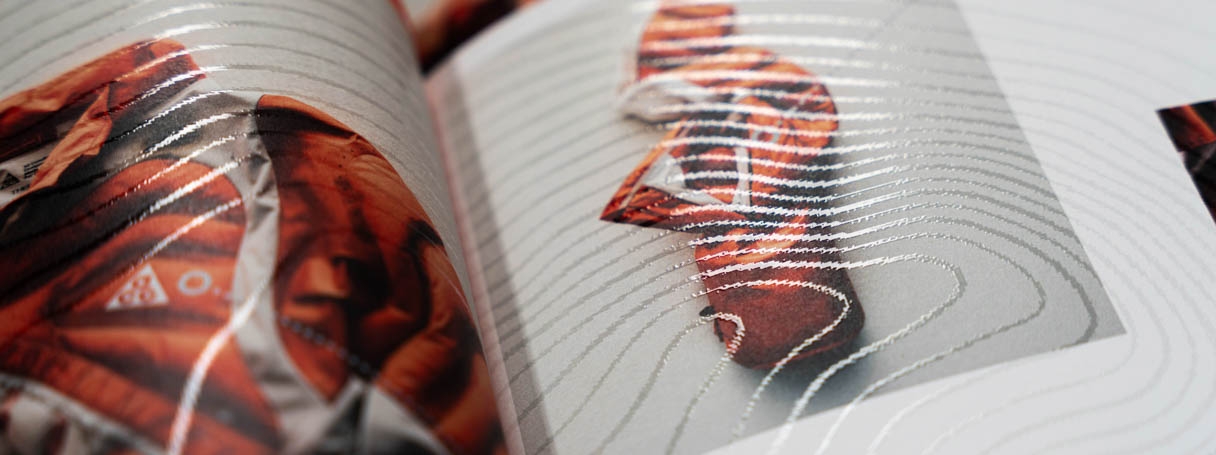
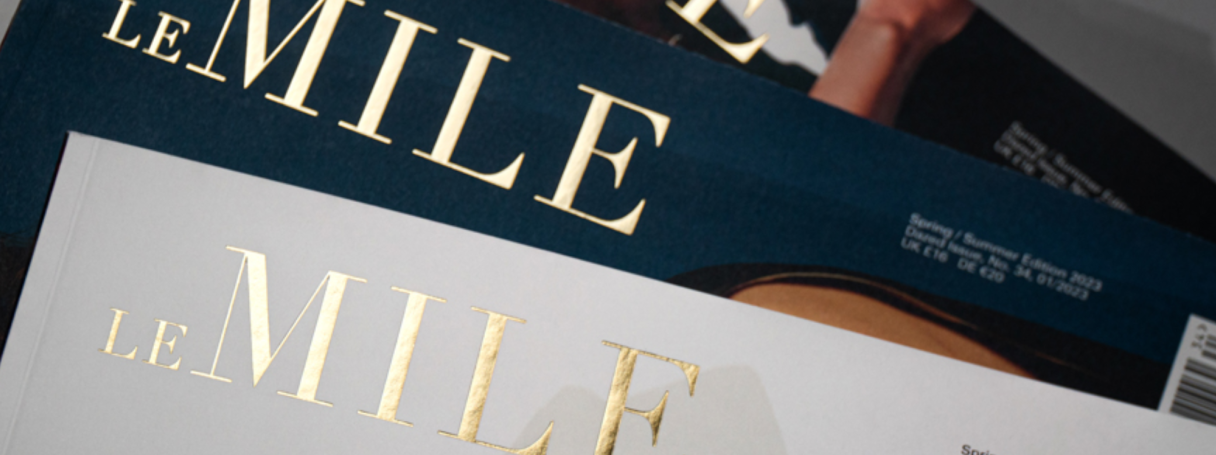
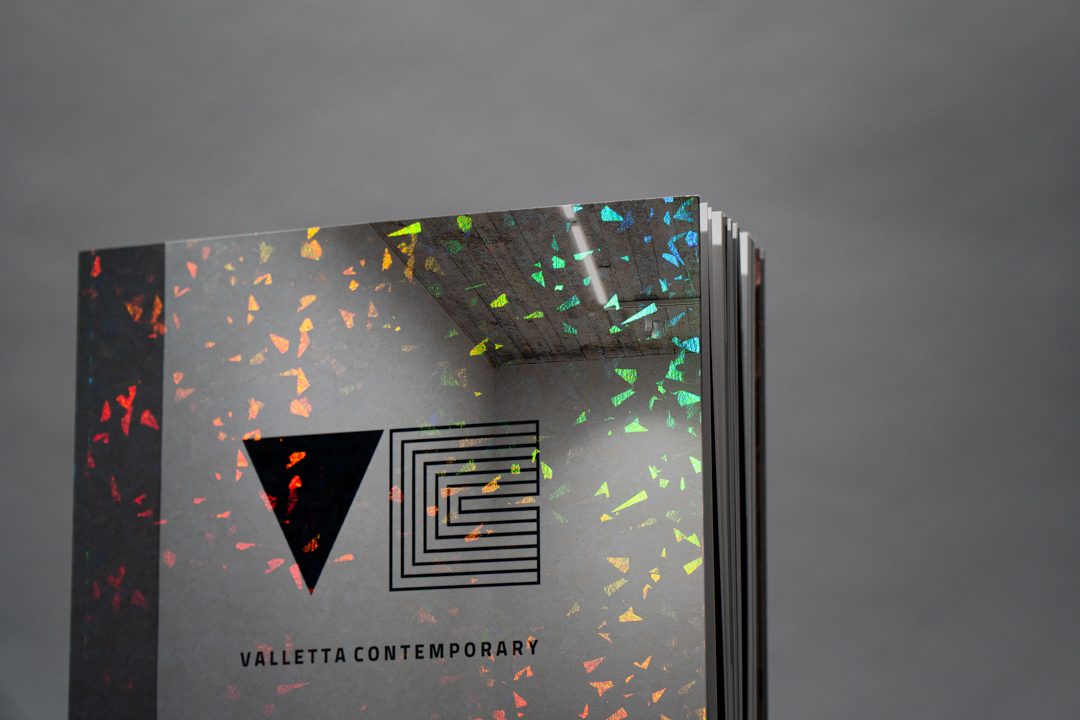
Foil stamping is a finishing technique in which selected elements of a magazine cover or interior pages are partially coated with foil. This technique can be used to highlight a logo, title, illustration detail, or another design feature, adding extra value and visual impact to the publication. The foil can be transparent, colored, glossy, or matte, allowing it to complement the magazine’s overall style and desired look. For an even stronger effect, foil stamping can be combined with other finishing techniques, such as debossing or embossing.

UV varnish

Spot UV varnishing

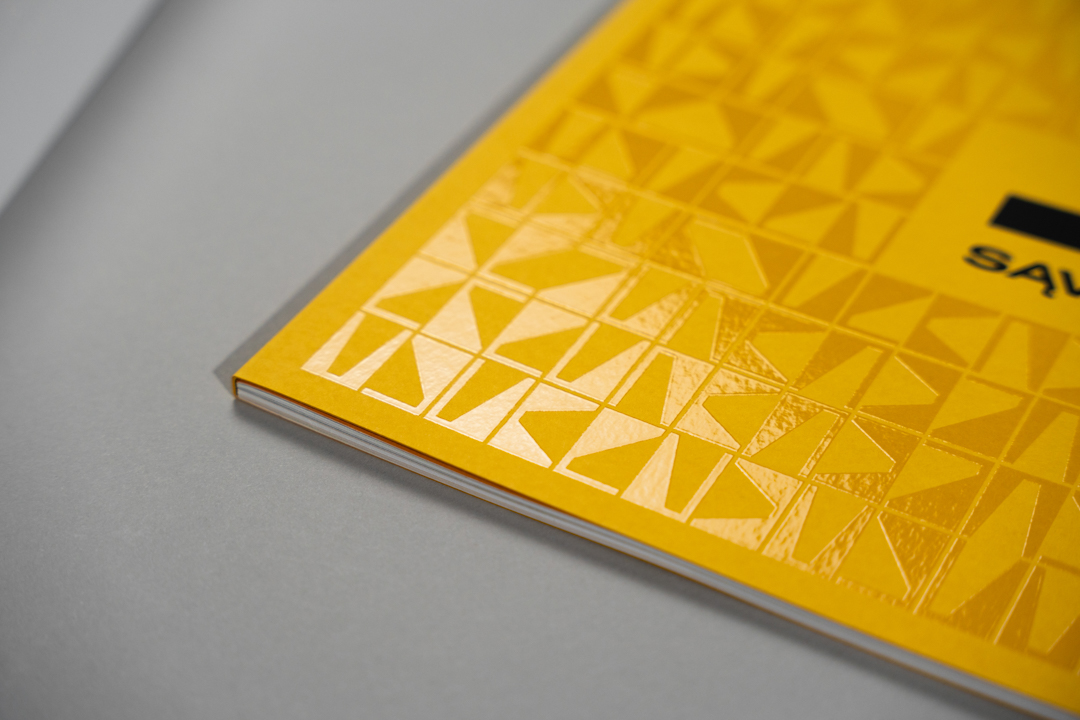
Spot UV varnishing is a decorative finishing technique in which a clear, glossy varnish is applied only to selected areas of a magazine cover or interior pages. It can be used to subtly highlight a title, photographic detail, illustration, texture, or another important design element.

This technique enhances the contrast between matte and glossy surfaces, adds depth to the publication, and helps create a memorable first impression. Spot UV varnishing is particularly well suited to magazines where visual detail, tactile appeal, and a premium feel are important.

Kongrevas

Embossing and debossing

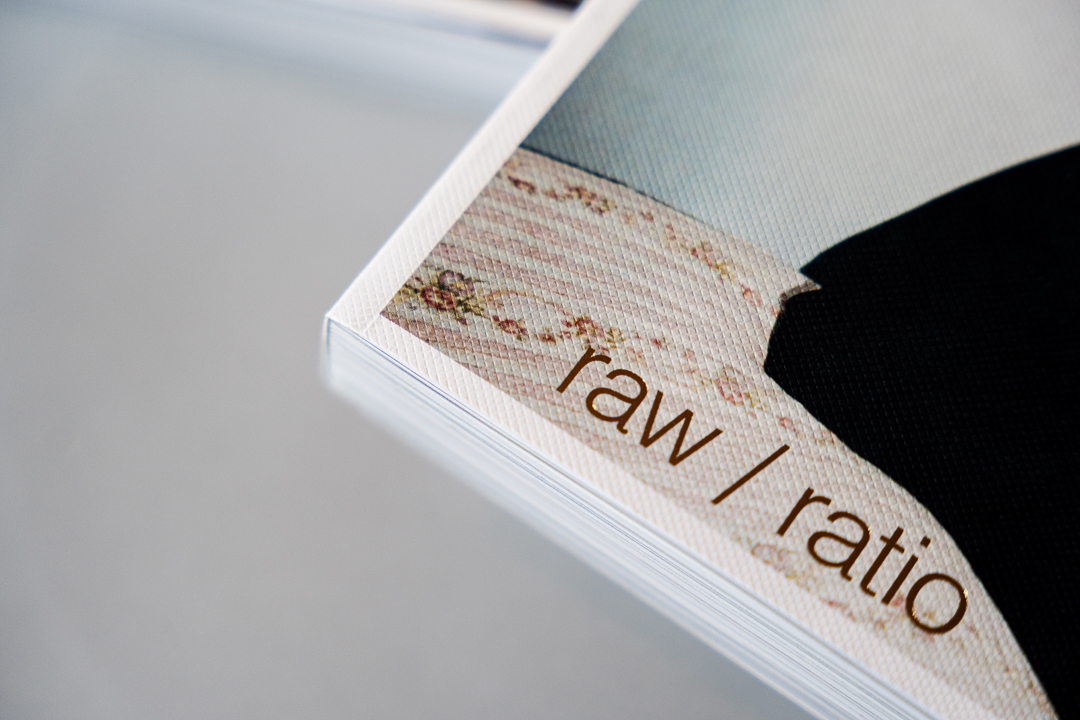
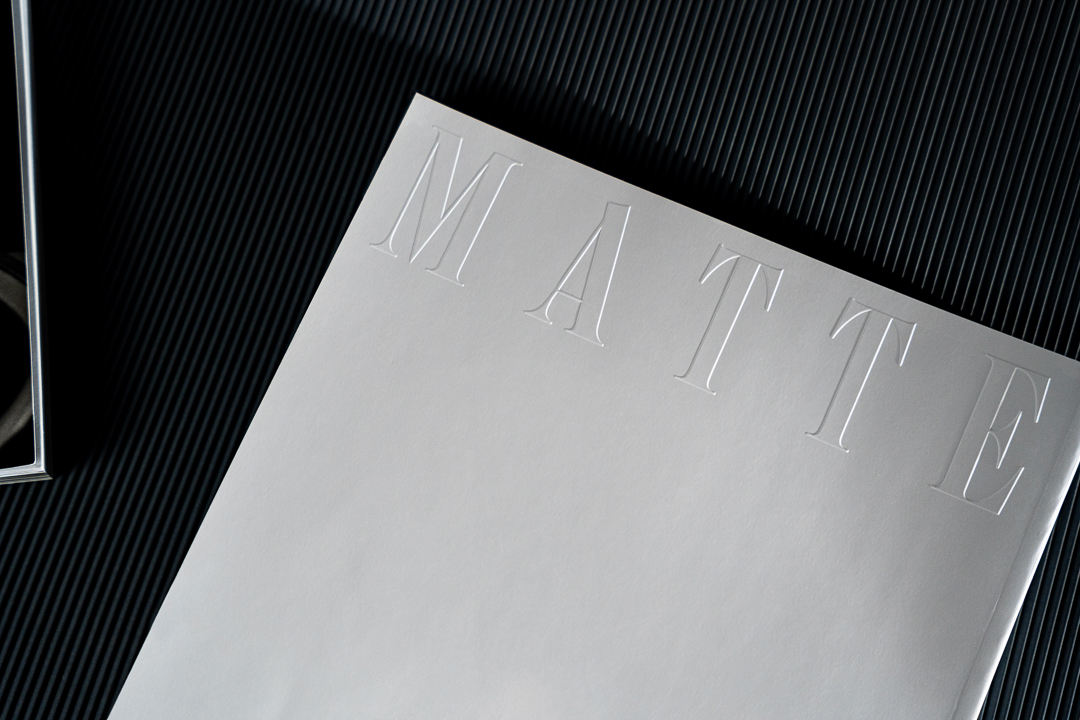
This finishing technique raises or presses a selected design element into the surface of the paper, creating a tactile relief. In magazine production, it is most commonly used on covers to highlight a title, logo, illustration detail, or another design feature.

Laminate

Lamination

Lamination is a finishing technique in which a magazine cover or another selected surface is coated with a protective film. It helps protect the print from scuffing, moisture, fingerprints, and other environmental factors, allowing the publication to maintain a clean and polished appearance for longer.

Depending on the desired effect, matte, gloss, or specialty lamination can be used. A matte finish gives the publication a refined and elegant look, while a gloss finish enhances colors and contrast. Specialty laminates can add a distinctive tactile quality or create a unique character for the cover.

Cuts

Die-cutting

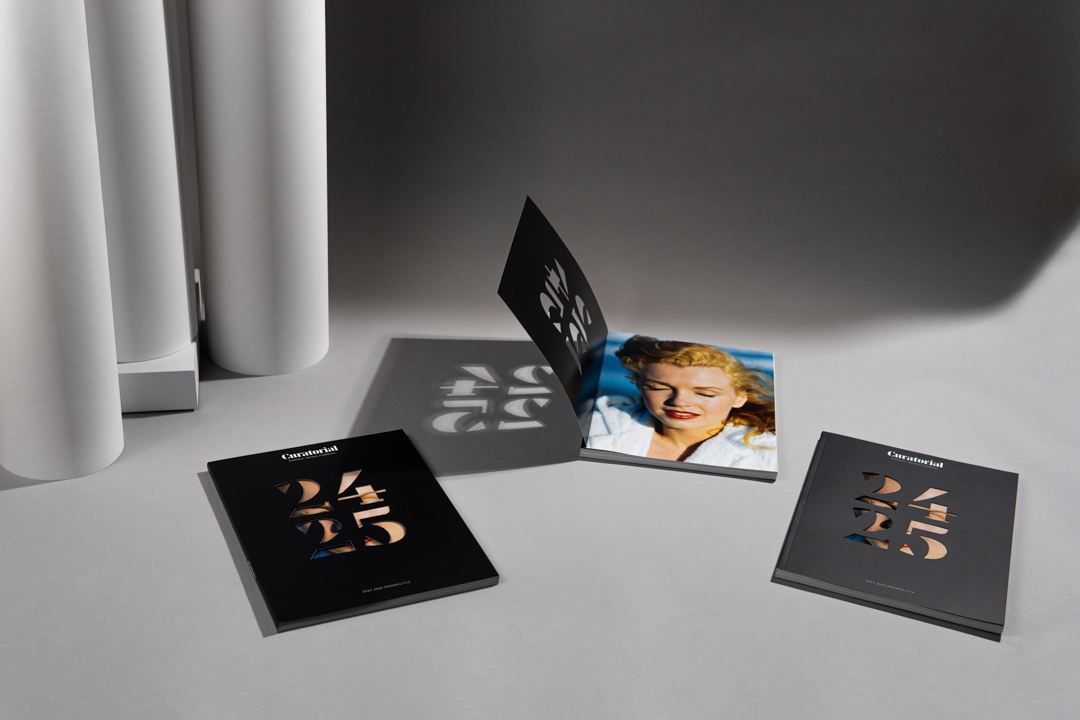
Cover die-cutting is a finishing technique in which selected shapes or elements are cut out of the magazine cover to create windows, silhouettes, or graphic accents. These cut-outs can reveal part of the first page, create a layered effect, and make the cover a more interactive part of the design.

PAPASAKOKITE MUMS APIE SAVO ŽURNALO PROJEKTĄ

Mūsų komanda mielai atsakys į visus jūsų klausimus.
Suderinkime trumpą susitikimą vaizdo skambučiu arba užpildykite formą ir mes susisieksime su jumis per 8 darbo valandas.

Send your request

BINDING

BINDING
Sewn binding

Sewn

A strong and durable binding method for thicker or premium magazines. The pages are folded into signatures, gathered into a book block, and sewn together with thread, while the spine is additionally reinforced with adhesive. This binding ensures comfortable handling, excellent lay-flat performance, and even allows the thread color to become a subtle design detail.

open spine

Open spine

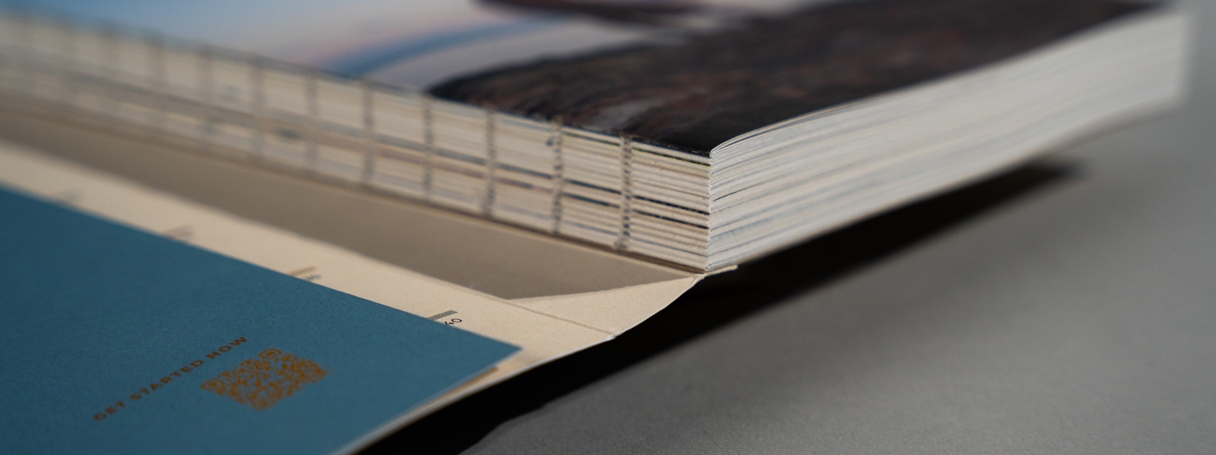
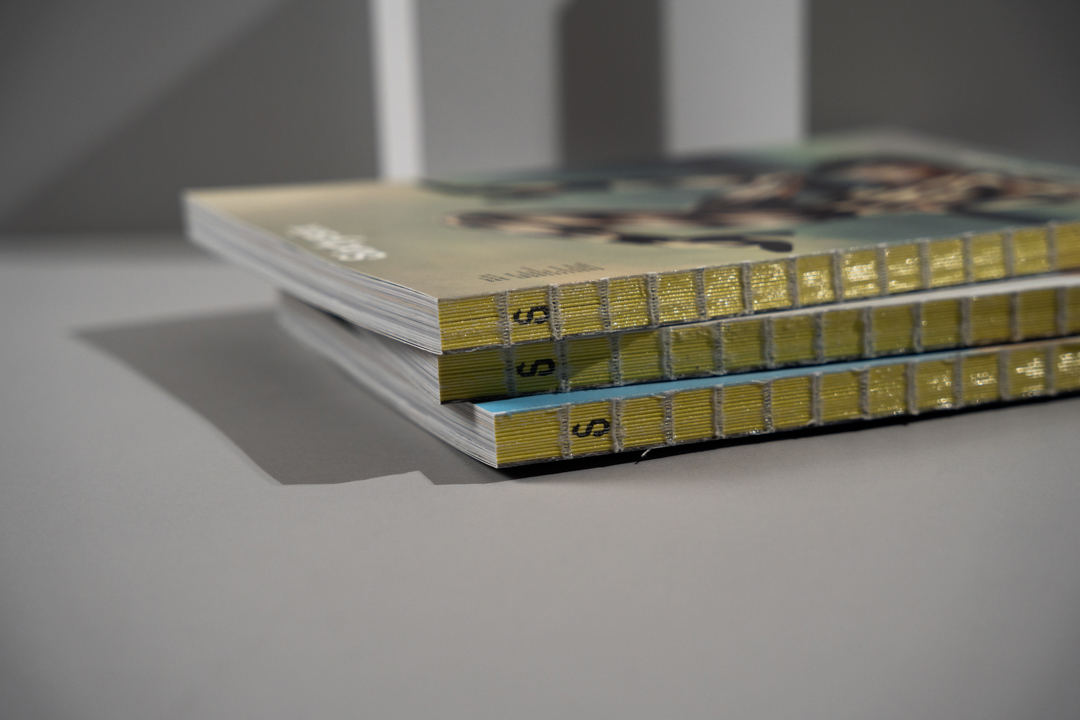
A distinctive binding method for premium or design-focused magazines, where the sewn spine construction and threads remain visible. This solution allows the magazine to open exceptionally flat, ensuring that neither visual nor textual content is lost in the gutter and making it possible to print images seamlessly across the entire spread. The exposed threads give the publication a unique character, and their color can be matched to the overall visual style of the magazine.

Perfect binding

Glued

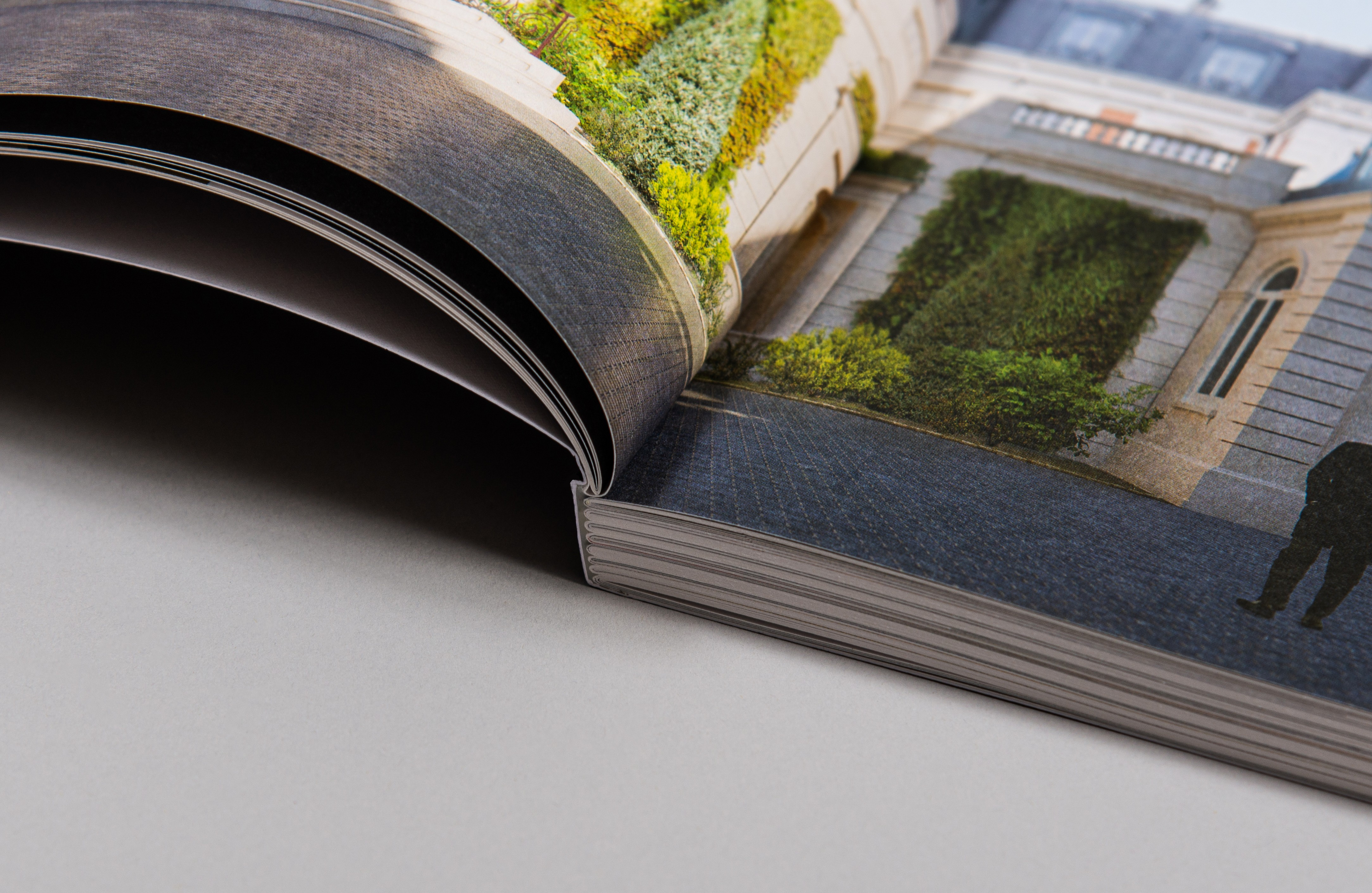
A neat and versatile binding method for thicker magazines, catalogue-style publications, or special editions. After printing, the sheets are folded and gathered into a book block, while the spine is milled to roughen the paper fibers and ensure better adhesion. The book block is then bound to a cover made from heavier paper stock.

Saddle stiching brochure

Saddle stitched

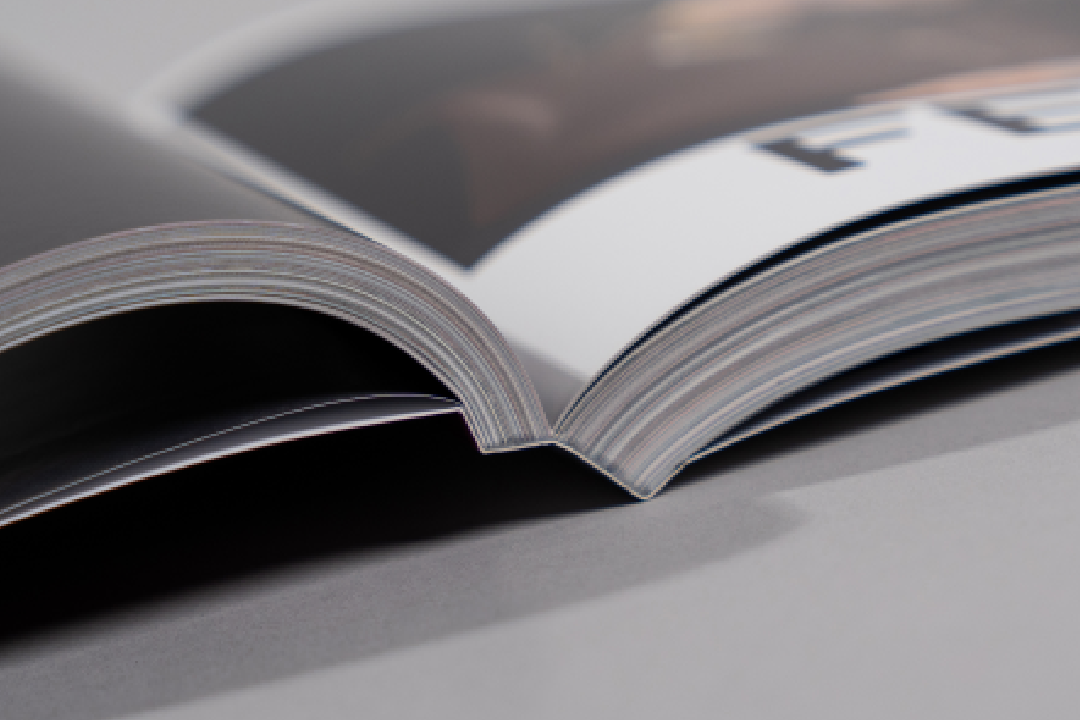
A simple, durable, and visually clean binding method for magazines with a lower page count. The printed sheets are folded in half and fastened with staples, usually two, along the fold line.

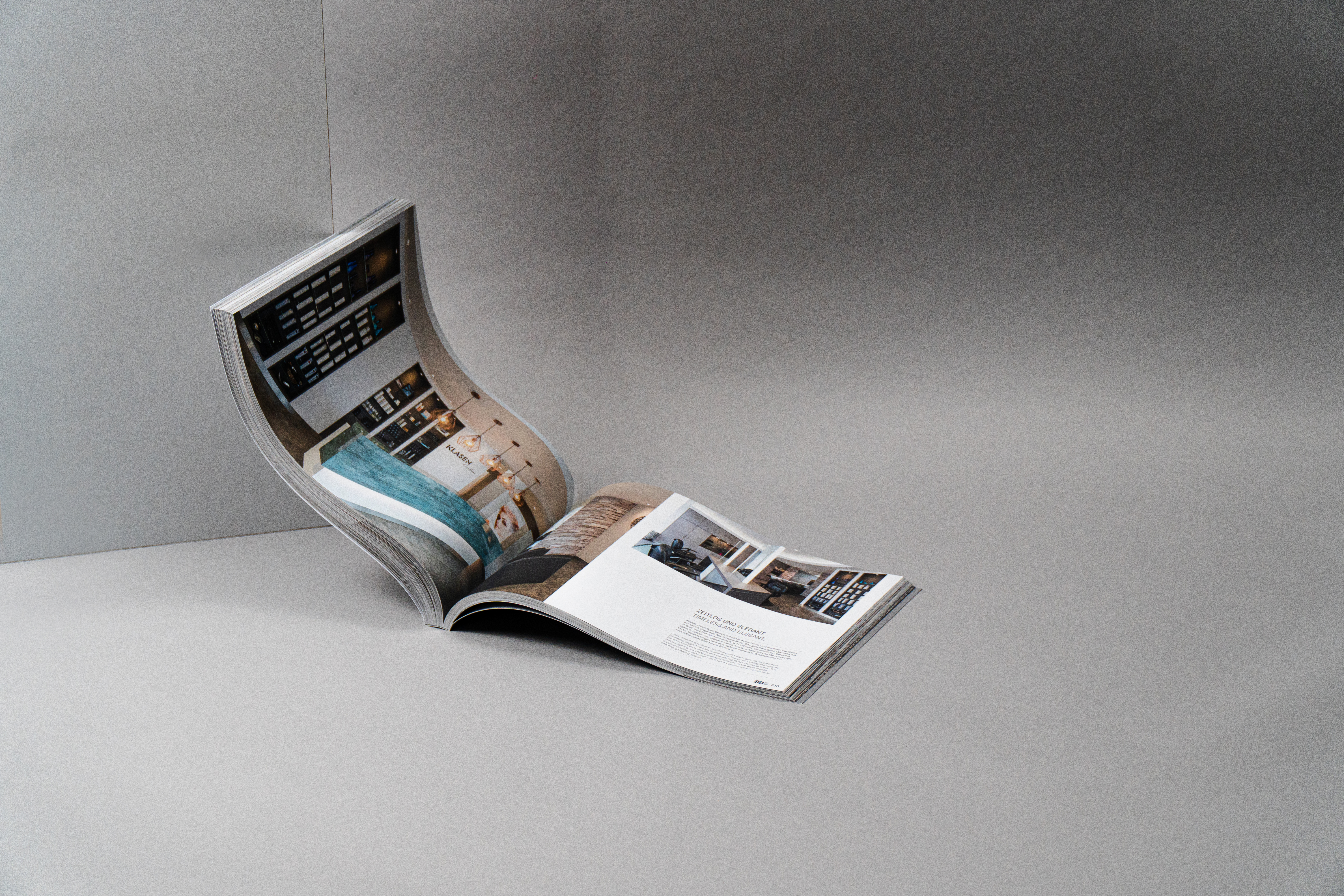
Saddle stitching allows the magazine to open comfortably while keeping the construction lightweight. It is particularly well suited to periodicals, brochures, special supplements, and promotional magazines.

Hardcover magazines

Hardcover

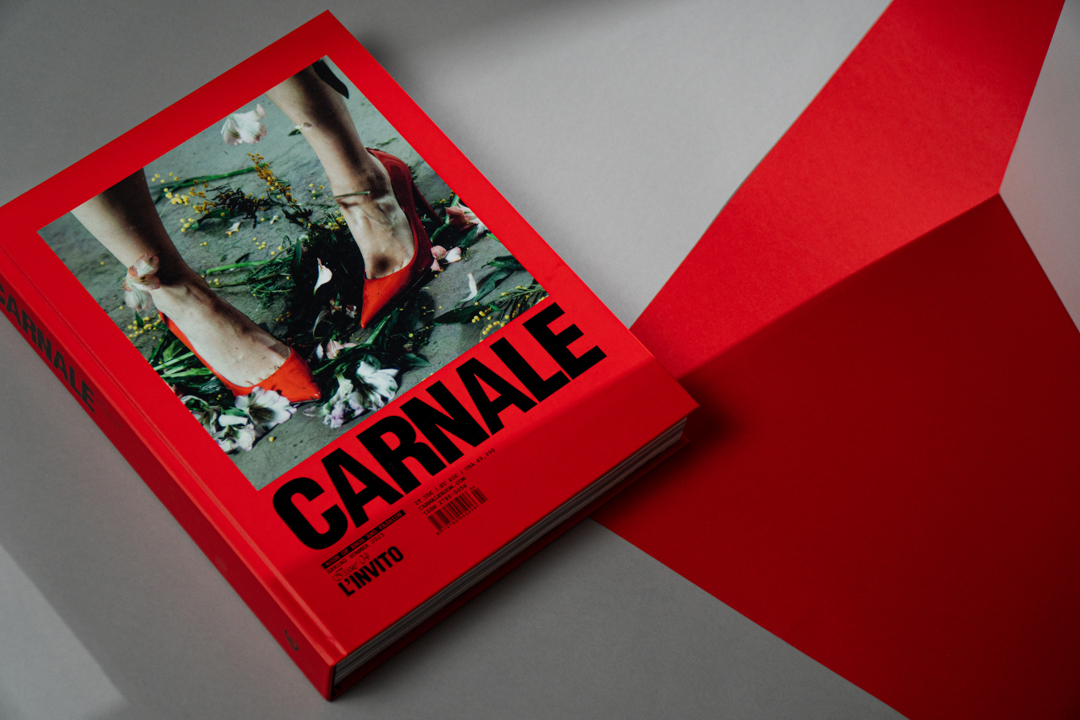
Hardcover binding gives a magazine a premium, durable, and collectible feel. It is an ideal choice for special editions, annual publications, limited-run magazines, or projects where the physical object is just as important as the content itself. With this type of binding, the book block is attached to a rigid cover, which can be finished with a variety of materials.

Wire-o

Wire-O

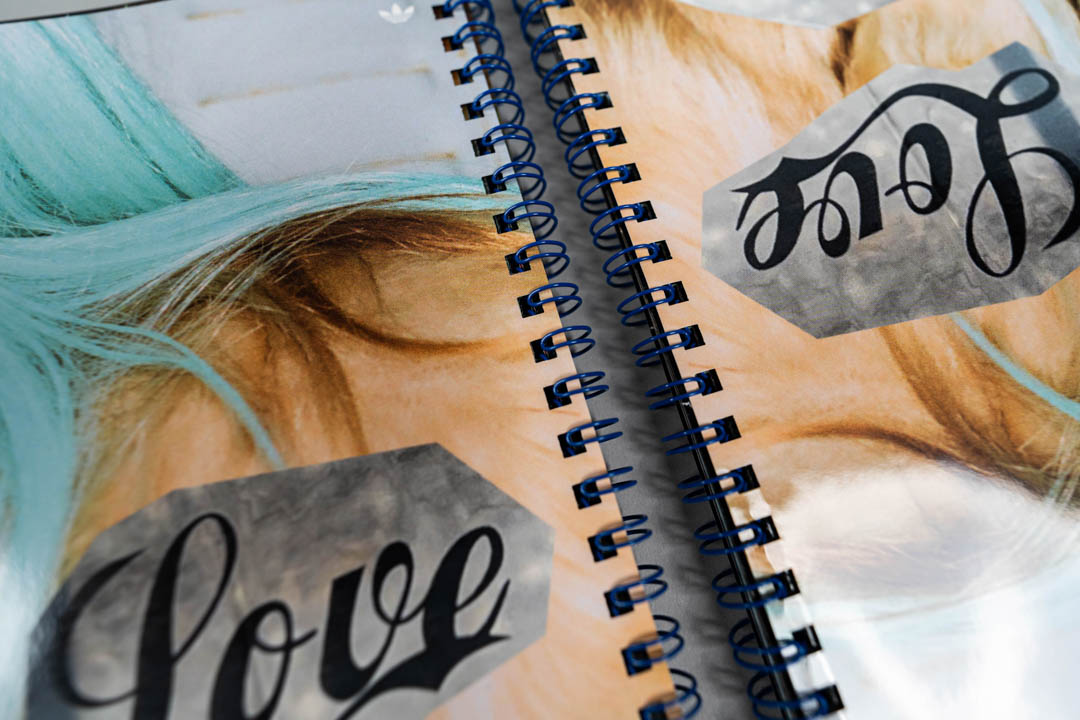
Wire-O binding is well suited to magazines, catalogues, and informational publications where ease of use is especially important. With this method, the pages are punched and bound with a metal or plastic coil, allowing the publication to open fully and rotate 360 degrees.

It is a practical solution for publications that are frequently handled, used during work, or designed to serve not only a presentational but also a functional purpose.

Elastic band

Elastic band

Elastic binding is an unconventional and visually distinctive solution for magazines where the binding itself becomes a visible part of the design. The pages or individual sections are held together with an elastic band, which keeps the structure intact while also serving as a color or graphic accent.

Unbound

Unbound

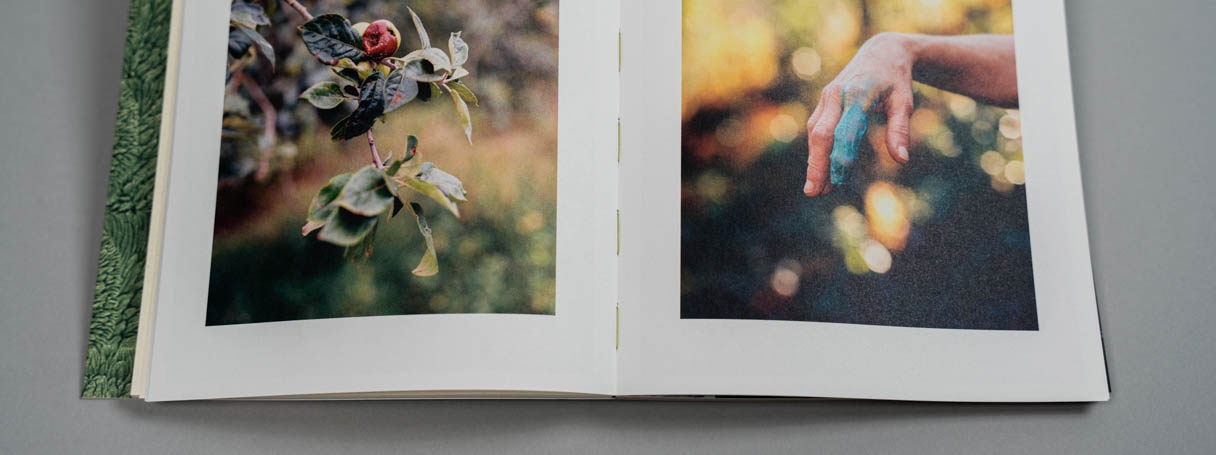
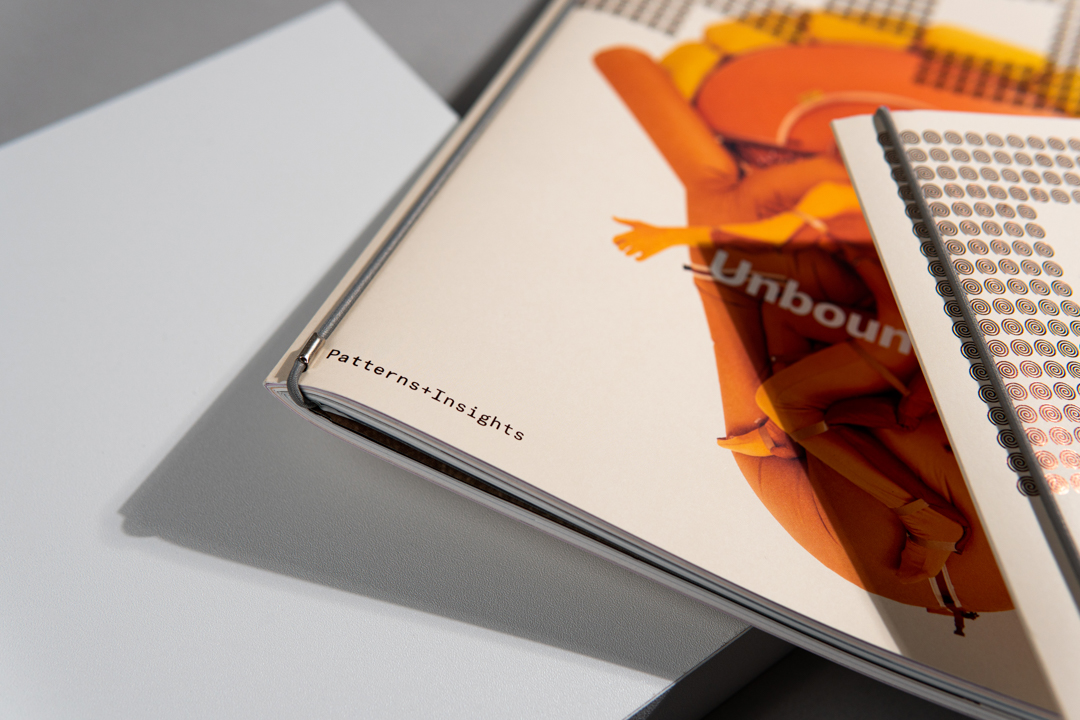
An unconventional way of presenting a magazine, where the printed and folded signatures are assembled into a complete publication without being joined by a traditional binding method. This structure highlights the printing process, the texture of the paper, and the publication as a physical object in its own right.

PAPASAKOKITE MUMS APIE SAVO ŽURNALO PROJEKTĄ

Mūsų komanda mielai atsakys į visus jūsų klausimus.
Suderinkime trumpą susitikimą vaizdo skambučiu arba užpildykite formą ir mes susisieksime su jumis per 8 darbo valandas.

Send your request
22/07/2026

/ Augusta

Paule,

Following up to let you know the release of Issue 2 of Souvenir has been a great success and the feedback has been overwhelmingly positive. All of the small technical improvements we made with KOPA from issue 1 to issue 2 have really taken it to the next level. 
We are so so happy with the results!! Your packaging is super secure and everything arrived in perfect condition. 
 

1
22/07/2026

/ Stephane & Corentin

Paule,

Thank you for your consistency and the quality of your work. We’re very happy with the books and thrilled to finally have them with us. 
They’re perfect!
It was a real pleasure working with you, and I hope we’ll have the opportunity to collaborate again on future projects very soon.


Pilkas